

























































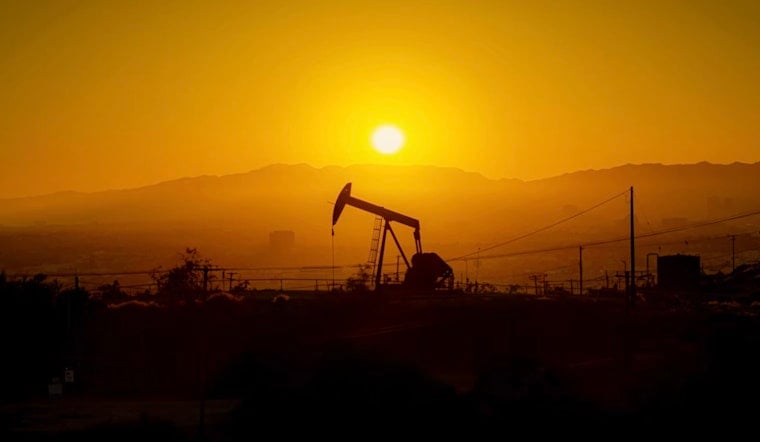
OPEC+ ministers inched open the taps on Sunday, signing off on a modest bump of about 188,000 barrels per day to their collective oil target for July, even as the crisis choking key Persian Gulf shipping lanes drags on. The remotely held meeting delivered a move that officials pitched as a careful nod toward market stability, not a quick fix for the real-world shortages tied to the Iran conflict. Ministers also stressed the increase can be yanked back if needed, a hedge against the messy logistics of actually getting more Gulf crude onto tankers.
What ministers agreed
According to The New York Times, seven producers in the alliance — Saudi Arabia, Russia, Iraq, Kuwait, Kazakhstan, Algeria and Oman — signed on to lift their combined quota by roughly 188,000 barrels per day for July during the remote session. The OPEC statement, reproduced by Rigzone, said the countries "will continue to closely monitor and assess market conditions" and kept the option to pause or reverse future increases on the table. Officials framed the move as a deliberately incremental test that preserves the group’s leverage while keeping room to react if fresh trouble hits supply.
Why the increase may be symbolic
The Strait of Hormuz — typically the route for about one fifth of the world's seaborne oil and gas trade — remains effectively shut in retaliation for strikes on Iran, limiting how many of those extra barrels can actually reach buyers, the Associated Press reported. Many of the region’s major exporters have already throttled back shipments, so the quota tweak may not show up as real barrels on the water for weeks or even months, Bloomberg notes. Energy analysts say that makes the decision more of a signal of intent than an immediate fix for tight supplies.
Market and policy implications
Traders treated the move as a modest stabilizing gesture rather than a game changing surge in supply, and market players are now watching to see whether OPEC+ can actually deliver the promised volumes, the Los Angeles Times reported. The choice to move ahead without the United Arab Emirates — which formally exited OPEC on May 1 — also shifts the internal arithmetic over which members shoulder any further unwinding of cuts.
For now, refineries and policymakers are fixated on shipping lanes, spare capacity and whether those monthly OPEC+ reviews turn into real barrels instead of just theoretical targets. The group said it will keep meeting every month to reassess output and compliance, leaving a narrow path to restore balance if the Strait reopens or Gulf producers manage to lift exports, Rigzone reported. For consumers, the bottom line is simple enough: until physical bottlenecks ease, paper quotas will keep doing most of the talking on oil prices.



