

























































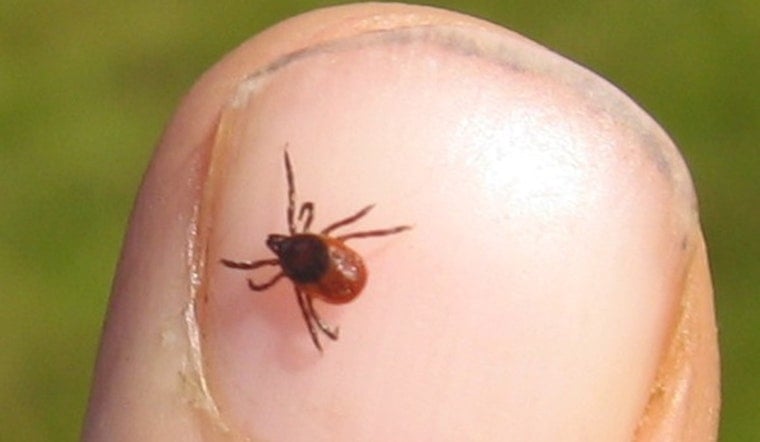
Tick season has shown up early and in a big way across Oregon this spring, and it is not exactly a subtle entrance. Clinics are seeing more people come in with tick encounters and bite-related visits, and in some cases a single bite can do more than leave a small red spot. For some unlucky folks, it can trigger alpha-gal, a delayed allergy to red meat that can cause serious reactions.
Federal tracking data backs up what Oregon doctors are seeing. Emergency-department visits for tick bites are running higher than usual this spring, and the CDC reports that weekly ER visits are at their highest level for this time of year in most regions since 2017. According to the CDC, people should use EPA-registered repellents, wear permethrin-treated clothing and do careful tick checks, while entomologists say early warm spells have revved up tick activity. Experts with the NPMA are also urging homeowners to get ahead of the problem before summer really kicks in.
Local coverage is sounding the alarm too. As KGW reports, Oregon is dealing with what local clinicians say is its worst tick season since 2017. The station notes that nymphs, the tiny life stage that is easiest to miss, seem especially abundant this year.
How a tick bite can make you allergic to meat
Alpha-gal syndrome is an immune reaction to a sugar molecule called galactose-alpha-1,3-galactose that certain ticks can introduce when they bite. After that exposure, some patients develop hives, gastrointestinal trouble or breathing problems hours after eating mammal meat. Case reports and investigations, including work in Emerging Infectious Diseases, have documented alpha-gal cases linked to tick bites in the Pacific Northwest and other regions. The condition now appears in federal tick resources, and CDC materials advise clinicians to consider alpha-gal when evaluating delayed allergic reactions that follow outdoor exposure.
Why nymphs are the stealthiest threat
Nymphal ticks are about the size of a poppy seed, which makes them good at staying invisible during a quick skin check. They are the tick life stage most often tied to human infections for exactly that reason. Public-health reviews and clinical guidelines point out that nymph activity peaks in late spring and early summer, the same window when many people are hiking, gardening and otherwise rolling around in tick habitat. For more on timing and prevention, see Clinical Infectious Diseases and Harvard Health.
Practical prevention steps
Experts recommend a layered defense. Treat clothing and gear with permethrin and use EPA-registered repellents on exposed skin, since combining those approaches offers better protection than either one alone. The EPA notes that many ready-to-use permethrin products for clothing contain about 0.5% permethrin and that treated fabrics can stay effective through multiple wash cycles. Federal guidance and pest-management specialists alike suggest tucking pants into socks, tossing outdoor clothes straight into the wash and giving pets a thorough tick check after they have been outside.
If you find an attached tick, remove it as soon as possible with fine-tip tweezers, pulling straight up without twisting, and hang on to the tick in a sealed container if you later become ill. Clinical sources note that removing a tick within the first day or two reduces the risk of transmission for many infections, and they advise seeing a health care provider if you develop a rash, fever or breathing problems after a bite. For step-by-step removal tips and follow-up guidance, see Harvard Health and Clinical Infectious Diseases.
For Oregonians who suddenly break out in hives, have gastrointestinal distress or experience trouble breathing after eating red meat, allergists say it may be time to consider testing for alpha-gal IgE and building an avoidance plan, with some patients advised to carry epinephrine. Estimates suggest alpha-gal syndrome is undercounted and may affect many people across the country, so clinicians urge anyone with new food reactions after outdoor exposure to mention any tick encounters to their doctors, according to AARP.




