

























































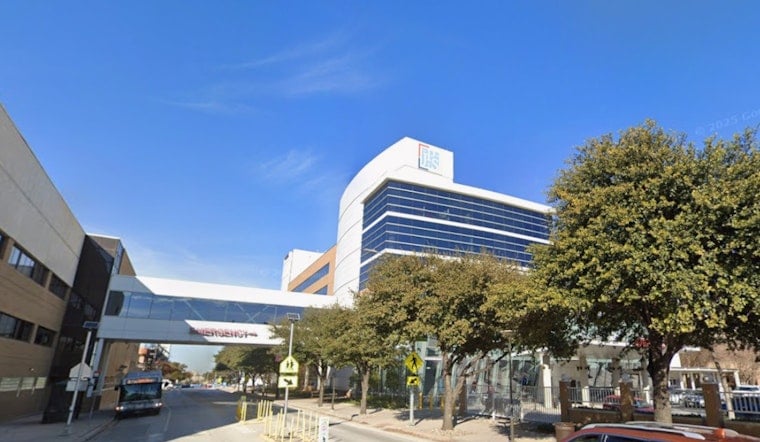
JPS Health Network is heading into its fiscal 2027 budget talks under serious strain. Inpatient units are packed, emergency rooms are constantly churning, and the share of uninsured and self-pay patients keeps climbing. That mix is forcing leaders to revisit how quickly they move patients through the system and how they book revenue, all while a long-promised new hospital inches ahead but will not relieve the crunch for years.
According to the Fort Worth Report, a draft fiscal 2027 budget projects self-pay patients at roughly 21 percent. Medicare and Medicare-managed plans account for about 23.3 percent and Medicaid about 12.7 percent. The draft also anticipates that the JPS Connection plan will cover about one in five patients, while ACA commercial enrollment is expected to fall to under 7 percent next year. Hospital officials say that mix will put a tight squeeze on revenue.
Heavy Volumes, Near-Full Beds
JPS’s main hospital is licensed for 582 beds, and system data show fiscal year 2025 is anything but slow. The network reports roughly 137,387 emergency room visits and 691,359 clinic visits. The same financial documents list psychiatric emergency and obstetric triage visits in the tens of thousands, with an occupancy rate above 90 percent. It is the kind of number that confirms what staff see every day, that the campus is effectively operating at capacity, according to the JPS FY25 financial packet.
New Hospital Will Not Fix Today’s Crunch
JPS broke ground on a new inpatient hospital in April and says the facility will expand capacity and modernize the downtown campus, just not on a timeline that helps today’s bed board. In a press release, JPS Health Network framed the project as a key piece of a broader master facility plan. Local coverage has noted that the inpatient tower has been discussed as roughly a $1.5 billion slice of a larger multi-billion dollar campus overhaul, a long-haul construction project that will take years to translate into open rooms.
Budget Tightening And Discharge Hurdles
The draft budget sets specific operational targets meant to squeeze more efficiency out of every bed. One goal is to cut average observation time from about 40.5 hours to roughly 33.2 hours. Another is to trim the average inpatient stay from about 5.8 days to 5.4 days. On paper, those are modest shifts. In practice, they require staff to move patients more quickly through every step of care.
Reporting also highlights the real-world barriers that can stall discharge even after the clinical work is done. Some patients cannot afford durable medical equipment such as wheelchairs and oxygen, which means they stay in hospital beds longer than medically necessary. Clinicians told the Fort Worth Report that about four to five people a day are medically cleared but waiting to return to jail, another daily reminder that the hospital is caught in the middle of broader social and justice system issues.
What Leaders Say Is At Stake
Administrators say the budget process starts with a basic question: who the hospital is obligated to serve, not how to hit a target revenue number. The short-term operational changes, they argue, are intended to preserve access for Tarrant County’s most vulnerable residents while the bricks-and-mortar overhaul crawls forward. In a statement tied to the master facility plan, JPS Health Network leaders described both the near-term workflow fixes and the long-term construction as parts of the same survival strategy.
The draft budget will be refined in the weeks ahead as JPS leadership and the Tarrant County Hospital District board sort through tradeoffs between immediate operational tweaks and the slower campus buildout. Community clinics, emergency department throughput, and charity care levels will be the numbers to watch, the clearest signs of whether the strategy is actually easing pressure before the new towers finally open.





