

























































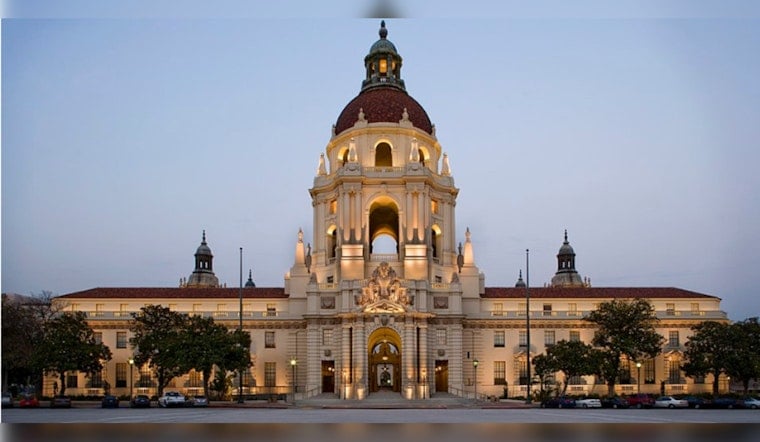
Pasadena is about to decide how far it is willing to go to repair the damage left by the 710 freeway extension that never was.
On Monday, the City Council is set to take up a restorative justice framework tied to the Reconnecting Pasadena 710 Vision Plan. The package, compiled by the Restorative Justice Committee of the Reconnecting Communities 710 Advisory Group, lays out roughly ten elements that range from a formal apology and a programmable public space to housing and workforce measures aimed at people and neighborhoods displaced by freeway construction. The council will decide whether to give staff direction on those elements. If it does, staff say they would prepare a formal implementation plan that maps out timelines, responsible departments and funding needs.
What's in the framework
The recommendations blend history telling with concrete benefits. They call for official acknowledgment of harm, economic programs and oversight to keep future implementation on track. According to City of Pasadena documents, the package specifically asks for a mayoral apology, a Restorative Justice Community Oversight Committee with majority representation from displaced people or their descendants, a permanent public space documenting displacement and educational programming for schools and libraries.
How the plan reached this point
The framework grew out of a two-year community planning process tied to the Reconnecting Pasadena vision, which covers roughly 50 acres of state-owned land that reverted to Pasadena after SR 710 extension plans were dropped. Streetsblog LA and other outlets reported that the City Council approved the broader vision in April but split off the restorative justice discussion so those elements could be considered on their own.
Housing and a registry for displaced residents
The committee recommends that 25-35% of housing built on the 710 stub be affordable, with workforce housing included in those targets, and proposes a registry to give displaced residents and their descendants priority access to rental and homeownership opportunities. Pasadena Now also notes proposals for business development assistance, local hire preferences and workforce training tied to community benefits.
Funding and next steps
The heavy lift comes next, when ideas have to turn into enforceable commitments. The council is being asked to receive a presentation and provide direction that would prompt staff to draft a formal implementation plan. Per the City of Pasadena agenda, staff would then identify timelines, responsible departments, funding needs and any additional studies required before carrying out the recommendations.
Community response
Advocates have pushed for reparations and concrete economic remedies rather than symbolic gestures, arguing that priority access and direct wealth generation tools are needed to address decades of harm. The coalition 710 Restorative Justice lays out demands that include reparations geared to homeownership, a makerspace for displaced small businesses and an apology from the mayor as part of a broader set of remedies.
The council discussion Monday will determine whether the restorative justice elements stay as policy language or move toward an actionable plan. If the council provides direction, staff say they will return with a detailed implementation schedule and funding strategy. Residents can expect several more public hearings and committee sessions before any projects break ground on the stub.





.jpg)