

























































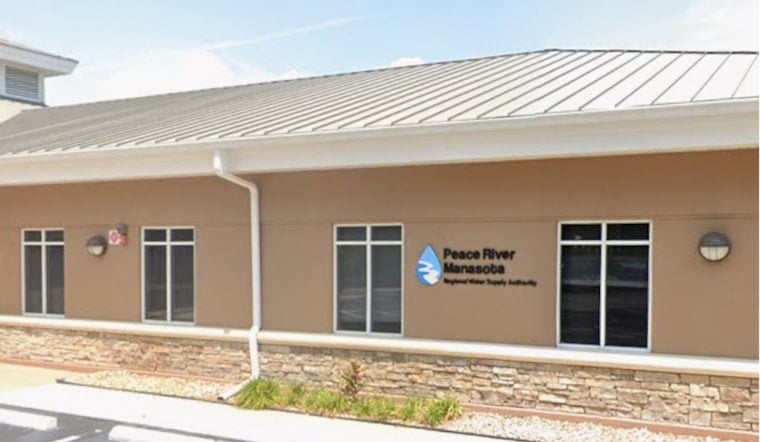
The Peace River Manasota Regional Water Supply Authority is gearing up for a system-wide hunt for per- and polyfluoroalkyl substances, better known as "forever chemicals," in its river, reservoir and treated drinking water. The authority has added a PFAS characterization and treatment evaluation to its agenda and is bringing in outside sampling to see whether any trace PFAS compounds are present in its source or finished water. Officials say they want hard data in hand before state and federal monitoring deadlines kick in.
According to YourSun, the board signed off on a contract with engineering firm Arcadis to handle the sampling and analysis. The PFAS item landed on the authority’s June consent agenda, a move aimed at speeding up work so testing can begin at multiple locations in the system. Staff told the paper the effort will show whether current treatment is doing enough or if new filtration technology will have to be added.
What They Are Testing
The program calls for sampling raw water from the Peace River, pulling samples from the large off-stream reservoir near Arcadia and testing treated water as it leaves the plant for delivery to member governments. The reservoir covers about 640 acres and holds roughly 6 billion gallons of raw water, and the authority provides wholesale drinking water to more than 900,000 people across its four-county service area, according to the Peace River Manasota website. By testing both source water and finished water, the authority aims to capture changes in river flow and storage conditions that could influence PFAS levels and how treatment processes perform.
Why It Matters
PFAS compounds are persistent in the environment and have been associated with a range of health effects, including small shifts in birth weight, reduced vaccine response and links with certain cancers, according to the Agency for Toxic Substances and Disease Registry (ATSDR). Major contributors to PFAS problems include industrial discharges and aqueous film-forming firefighting foams used at airports and military facilities, a risk the U.S. Fire Administration has underscored. Because these chemicals do not readily break down, utilities say baseline testing is critical to understanding any long-term exposure risks their customers might face.
Rules And Deadlines
Florida requires community water systems to complete initial PFAS monitoring or get approval to use compatible previously collected data by April 26, 2027, then move into compliance monitoring after that. State guidance spells out how often systems must sample and how they are expected to report results. At the federal level, the PFAS rule sets enforceable maximum contaminant levels for PFOA and PFOS at 4 parts per trillion, which will trigger treatment and notification obligations if systems exceed those averages. The U.S. Environmental Protection Agency has proposed, but not yet finalized, a two-year compliance extension that would give systems more time to plan and build treatment if it is approved.
Treatment Options Under Review
Technical documents from the authority note that the Peace River facility already uses powdered activated carbon for taste and odor control, and that this process can provide some PFAS removal depending on the specific compound and its concentration. Consultants and the authority’s water quality planning materials identify granular activated carbon, ion-exchange resins and reverse osmosis as the standard technologies typically evaluated when PFAS are detected at actionable levels. If upcoming testing shows trigger or maximum contaminant level exceedances, the board is expected to consider pilot studies and engineering design work before signing off on larger treatment projects.
What Residents Should Expect
Results from the sampling program will have to be reported to regulators under the state schedule, and utilities will be required to follow notification and compliance steps if their averages climb above federal trigger or MCL values. Officials say customers with questions should look at the authority’s meeting materials and water quality pages or contact their local water provider for the latest information on sampling locations and timelines.
Board materials for the June meeting list "PFAS Characterization and Treatment Evaluation" as a consent agenda item, and the authority plans to post agenda packets and any follow-up presentations on its website as testing moves forward across the region.




