

























































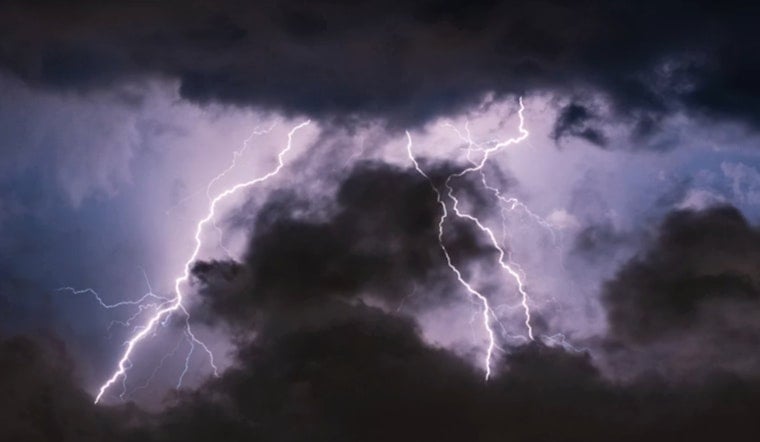
As severe thunderstorms pounded the Houston area Monday, Pearland firefighters spent roughly four straight hours racing from one burning home to the next, containing four separate house fires and getting everyone out safely.
According to Click2Houston, the string of calls included a mobile-home fire on Amie Lane, an attic fire on Belmore Lane, a reported residential blaze near Pine Knot Court and another house fire elsewhere in the city. Crews kept the damage mainly confined to where each fire started, and no injuries were reported.
Pearland Fire Chief Jason Pecknold credited training and quick response for keeping a bad afternoon from turning into something far worse, telling Click2Houston that the firefighters' rapid work "helped prevent further damage and demonstrate the importance of the training and preparation that takes place every day, long before an emergency occurs." Investigators are still sorting out the exact causes of each blaze, though the timing with the storms has officials eyeing lightning as a likely factor.
Storms And Lightning Risk
The National Weather Service's Houston/Galveston office had a Flood Watch posted Monday and warned of repeated rounds of heavy showers and thunderstorms with frequent lightning across southeast Texas, conditions that can easily trigger structure fires. Radar and surface reports showed lightning scattered across the region throughout the day, backing up suspicions that strikes may have helped spark the multiple calls.
The briefing from the National Weather Service also flagged periods of heavy rain through Wednesday that could complicate response or recovery efforts, with soaked streets, reduced visibility and flooded low spots all making it tougher for crews and homeowners to move around.
How To Reduce Lightning Fire Risk
Lightning can ignite roofs, chimneys or electrical systems, so homeowners are urged to keep smoke alarms in working order, unplug sensitive electronics during storms and avoid corded phones and plumbing while thunder is nearby. The Texas Department of Insurance offers practical tips for residents, including surge protection advice and guidance on where to park vehicles when storms roll in. The Lightning Protection Institute points to NFPA 780 guidance for professionally installed protection systems that can help route strikes safely into the ground.
None of these steps can guarantee you will avoid a lightning strike, but they can lower the odds of a direct-strike fire and help limit expensive damage if one does hit.
For updates or non-emergency questions, residents can check the City of Pearland Fire Department website or call local officials. Active emergencies should always be reported by calling 9-1-1. Homeowners with damage should document losses for insurance and follow public safety instructions from city authorities. This story will be updated if investigators release additional information.




