

























































The Pentagon is rolling back a recent branding experiment and restoring U.S. Indo-Pacific Command to its longtime title, U.S. Pacific Command. The move returns the four-star headquarters on Oʻahu to the Pacific Command name first adopted in 1947, with Defense Department officials stressing that the shift is about heritage, not a new mission set or map of responsibility.
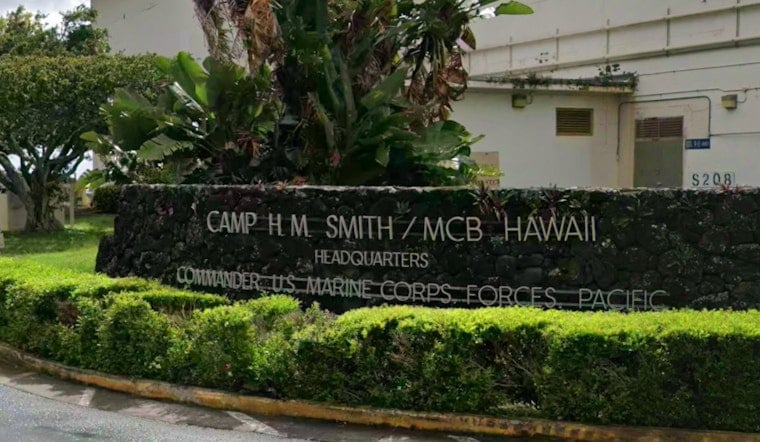
The order, issued June 16, was described by the department as a restoration of the command’s legacy that “honors the command’s deep historical roots,” according to Anadolu Agency. Local coverage from Hawaii News Now notes the headquarters remains at Camp H. M. Smith in Halawa, and that officials are treating the rename as an administrative tweak rather than an operational shakeup. Pentagon spokespeople have not yet laid out a detailed timeline for when signs, logos and other branding will change.
Why the 2018 Change Mattered
For decades the command was known simply as U.S. Pacific Command, or USPACOM, until a 2018 rebrand added “Indo” to highlight links that span both the Indian and Pacific oceans. The USINDOPACOM history page records that 2018 announcement and notes the shift was largely symbolic, keeping the same area of responsibility and a lineage that runs back to its creation on Jan. 1, 1947. That long institutional history is a key reason Pentagon officials are now framing the latest move as a restoration of tradition rather than a strategic pivot.
How Partners Are Reading It
International and regional outlets quickly homed in on the decision and the messages it might send abroad. Coverage in Hindustan Times and elsewhere highlighted debate in India and among foreign policy analysts over whether dropping “Indo” could influence perceptions of U.S. strategy, even as Washington insists its military posture and partnerships remain unchanged. Experts note that name changes can subtly alter diplomatic signaling even when forces, bases and treaties stay exactly where they are.
What It Means in Hawaii
On Oʻahu, the news lands mostly as a branding call. Camp H. M. Smith, perched above Pearl Harbor, will remain the nerve center for the command’s planning and exercises across the vast theater. The USINDOPACOM history page underscores the base’s central role and the command’s decades of coordinating wartime operations and humanitarian relief across the region. Service members, partner forces and upcoming exercises are not expected to see any near-term operational change as a result of the rename.
In practical terms, expect the usual cascade of administrative updates, from letterhead to websites to gate signage, over the coming weeks. Throughout that process, commanders are signaling continuity of day-to-day missions and alliance work. As reported by Anadolu Agency, officials are presenting the restored Pacific Command label as a nod to institutional history, not a shift in U.S. force posture.




