

























































Phoenix officials say the city is buried under tens of thousands of unfilled public-records requests, and the pile is only getting higher. Mayor Kate Gallego told the City Council this week that the backlog has jumped roughly 64% in the last 18 months and now hovers near 40,000 pending requests. Some families seeking body-worn camera footage tied to critical incidents have been warned the wait could stretch into years, a prospect that attorneys and relatives say can be crushing.
According to KJZZ, Gallego told council members her office recently met someone who was told they would have to wait six years for body-camera video related to a loved one’s death. “It’s just really disappointing,” she said, noting that the city already tried in 2023 to take a bite out of an earlier wave of pending records. KJZZ reports the mayor put the current backlog at nearly 40,000 records, up 64% over 18 months.
Police Chief Matt Giordano also addressed the council at the policy session. He told KJZZ that public-records requests spiked last year and are coming in at a similar clip this year. A big slice of that volume, he said, is driven by commercial requests related to traffic collisions, which can overwhelm staff with routine but time-consuming files. Giordano said the department is trying to triage urgent releases while juggling a heavy caseload of crash and commercial requests.
What the city has tried so far
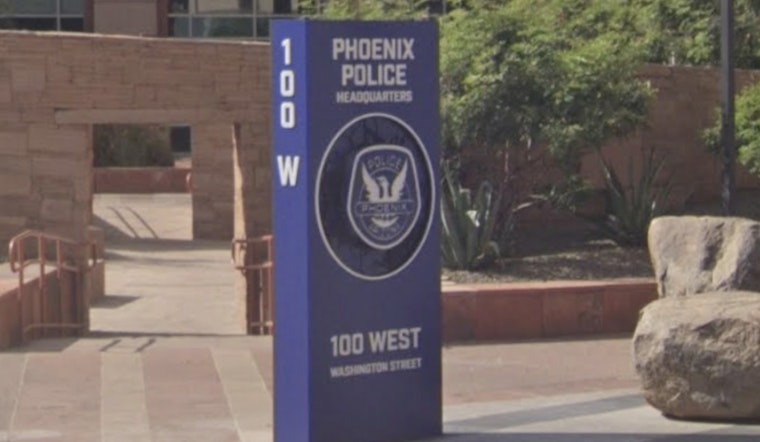
City leaders are not starting from zero on reforms, even if the numbers do not show much relief yet. The department rolled out a faster initial video-release option last fall that applies a medium blur to footage so requesters can get an early look while full redactions are finished, the City of Phoenix said in a press release. The police public-records operation was also consolidated into the new downtown headquarters this spring in an effort to centralize staff and workflow. See the City of Phoenix announcement and earlier coverage of the department’s move into the 27-story downtown HQ.
Delays have real consequences
The numbers are not just abstract. Local reporting has shown that delays can stretch for years. FOX 10 Phoenix reported it waited four years to obtain body-camera footage in one case, a lag critics link to the department’s public-records backlog. Long waits can stall civil lawsuits, slow internal reviews and leave families without timely answers after deadly or controversial encounters. Reporters and attorneys who regularly file requests say the growing delay corrodes public trust and weakens accountability.
Legal context
Arizona law generally puts the thumb on the scale for openness. The state’s public-records statutes require records in an agency’s custody to be available for inspection, and they presume access rather than secrecy. The law does not set a rigid day-count deadline for every request, but the Reporters Committee for Freedom of the Press notes that Arizona’s framework (A.R.S. § 39-121 et seq.) expects agencies to respond promptly and that stonewalling can invite legal challenges. The state’s Ombudsman-Citizens’ Aide also outlines tools requesters can use when access is effectively denied, including special-action lawsuits.
Gallego told the council she wants the police department to move faster on public records, while Giordano acknowledged the recent surge in requests and the strain it has placed on staff. With routine commercial crash filings vying for attention alongside complex video redactions, city leaders say clearing nearly 40,000 pending requests will likely require sustained changes in process, staffing or both.





