

























































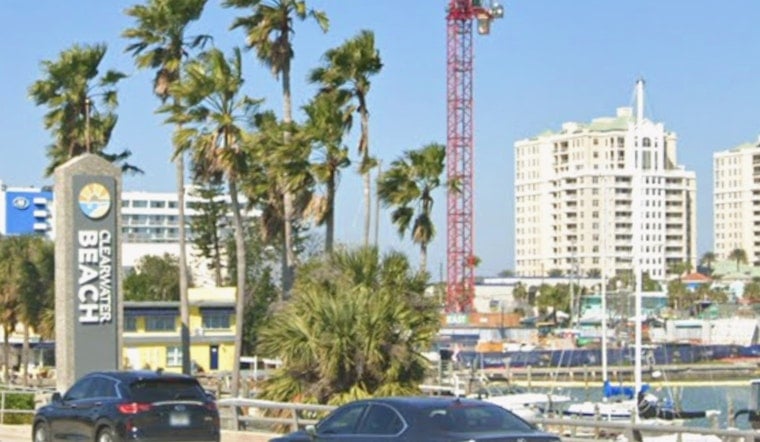
Pinellas County’s tourism machine just turned in a record year, and local leaders are wasting little time putting that money to work. Officials say the visitor economy topped the $10 billion mark, fueling hotel-tax receipts that helped drive more than $150 million in reinvestments, from beach renourishment to venue upgrades. The spending is reshaping the county’s shoreline and events calendar, and it is stirring fresh questions about what should come first in the long run.
Big Numbers, Bigger Reinvestments
Nearly 15 million visitors came to Pinellas County in the last reported period, generating roughly $387 million in local taxes and keeping the county’s 6% bed tax above $90 million for the fourth straight year, according to FOX 13 Tampa Bay. That reporting also notes that about $153 million in bed-tax revenue was reinvested locally, with roughly $125 million of that total steered into a countywide beach-renourishment effort.
"This was the fourth year in a row that we've generated over $10 billion in economic impact," Visit St. Pete-Clearwater CEO Brian Lowack told FOX 13 Tampa Bay, underscoring how sustained the surge in tourism spending has been.
Where the Bed Tax Went
Visit St. Pete-Clearwater’s destination reports describe tourism as a multibillion-dollar engine for the region, with one fiscal year showing more than $11.2 billion in economic impact and more than 15 million visitors, a pattern that lines up with the latest figures, according to Visit St. Pete-Clearwater. County business and construction records show commissioners tapped bed-tax reserves and state grants for a one-time $125.7 million beach-renourishment project approved last year, an effort aimed at restoring miles of shoreline and protecting what they view as a core tourism asset.
Coverage in Stormwater notes that the renourishment plan leans heavily on tourist dollars and highlights the sheer scale of sand placement envisioned for the project.
Sports Money and the Stadium Debate
Tourism cash is also finding its way into sports facilities. County commissioners voted to commit roughly $85 million in tourism funds to renovate BayCare Ballpark and the adjacent Carpenter Complex, in a deal tied to keeping the Philadelphia Phillies in Clearwater through 2047, Tampa Bay Business & Wealth reported. That decision followed record monthly hotel-tax receipts earlier in 2026 and revived a familiar argument over whether bed-tax dollars should help bankroll stadium projects.
Florida law limits bed-tax spending to tourism-related purposes, and the statute spells out the specific uses counties are allowed to pursue. Pinellas’ FY26 budget materials describe a roughly 60/40 split between promotional spending and capital projects that guides how those dollars are allocated. Florida Statute 125.0104 and county budget documents provide the legal and policy framework for the stadium funding and other tourism projects.
Local Debate and Arts Funding
Not everyone is thrilled with how the tourism pot is being divided. Earlier this spring, the county signed off on a $500,000 Creative Tourism Arts Program that restores grant funding for arts organizations after a contentious vote to defund Creative Pinellas. The new program includes clawback provisions and staggered payouts designed to limit risk, according to St. Pete Catalyst.
Supporters argue that tourism dollars are legally required to go toward visitor-focused projects, while critics are pushing for a broader definition of what those investments should look like. That debate is expected to resurface as commissioners map out future capital cycles.
For now, visitor dollars are paying for sand, festivals and facility upgrades that officials say help preserve a multi-billion-dollar industry supporting more than 100,000 jobs, according to Visit St. Pete-Clearwater. County budget books and Tourist Development Council minutes lay out how the bed tax will be tracked through the current fiscal cycle, and elected officials say future allocations will be judged on whether they generate overnight stays and long-term returns for the destination. Residents who want to follow the money can dig into public records and TDC minutes for upcoming votes and project updates.




