

























































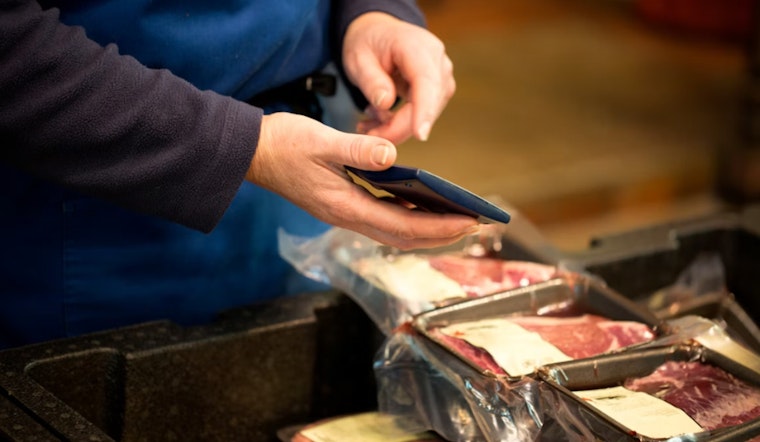
Grocery checkout is on the verge of a big makeover. By the end of 2027, the familiar beep at the register could be joined, and sometimes replaced, by square QR-style codes that pack web links and far more data than the thin-line barcodes shoppers are used to. Retailers are rolling out a coordinated shift to two-dimensional, web-enabled codes that can surface product pages, expiration dates, recall notices and coupons with a single scan. For shoppers that could mean faster info and targeted deals, and for advocates it is already raising fresh questions about privacy and price fairness.
What Sunrise 2027 Means
GS1, the nonprofit that governs barcode standards, has set an industry target, called Sunrise 2027, for point-of-sale systems to be able to read 2D barcodes at checkout by the end of 2027, according to GS1 US. The 2D options include QR Codes powered by GS1 and GS1 DataMatrix symbols. Both use the GS1 Digital Link so that a single code can act as a web address and carry GTINs along with lot and expiry fields and links to product pages.
In stores, the experience is expected to look fairly simple on the surface. A phone camera or a 2D-capable scanner reads the square code and opens a product page that can show nutrition facts, sourcing notes or recall alerts. Melanie Nuce-Hilton of GS1 US told First Alert 4 that the retail industry "has set a goal for itself to be able to scan at the register" with these codes by 2027, and brands are already adding them to packaging ahead of that deadline.
Privacy, Pricing and Pushback
Consumer advocates warn that embedding web links and richer data into these codes could open the door to dynamic or surveillance pricing tied to location, loyalty accounts and other signals. Thomas Gremillion of the Consumer Federation of America said "corporations would love to be able to charge every customer as much as they're willing to pay," as reported by First Alert 4. EPIC counsel Tom McBrien has been urging limits on surveillance pricing and broader safeguards, and state action has already begun. Maryland recently moved to curb surveillance pricing for grocery stores, according to The Guardian.
Retailers Say It Is About Transparency and Savings
Industry groups counter that the new codes are primarily tools for transparency and savings, not secret price hikes. They say the symbols will help with traceability, recalls and digital coupons. Doug Baker of FMI, The Food Industry Association, has told industry outlets that QR-style 2D codes can deliver coupons, ingredient and sourcing details and improve recall accuracy, according to Grocery Dive. Retailers argue that the technology will help reduce waste, speed checkout and put more information in front of shoppers at the shelf rather than serve as a stealth pricing lever.
What Shoppers Will Actually See
During the transition, most brands are expected to print both the legacy 1D UPC and a GS1-powered 2D code on packages. Rollout guidance and test kits from GS1 stress a phased approach with room for testing so front-end systems do not get disrupted. Federal law still requires visible nutrition facts, ingredient lists, net quantity and the manufacturer or distributor name on packages, so that core consumer information will not be shipped off to a website only, according to the FDA's Food Labeling Guide (see FDA). Shoppers can expect to see more on-pack QR codes through 2026 as brands and retailers run pilots, update scanners and work through inventory and label workflows.
Legal and Local Implications
Policymakers are already debating how far to let dynamic pricing and automated decision systems go as the technology spreads into checkout lanes. State attorneys general and legislatures have opened multiple fronts of discussion. Privacy advocates, industry groups and state officials are pushing competing proposals, ranging from disclosure requirements to outright bans, that will shape how quickly and how transparently QR codes are used at the register, according to reporting and legal analysis from recent state AG conferences and briefs, including coverage by Gibson Dunn. In the near term, shoppers are likely to gain richer product data, but how these codes are used for pricing will be contested in courts and capitols in the months ahead.





