

























































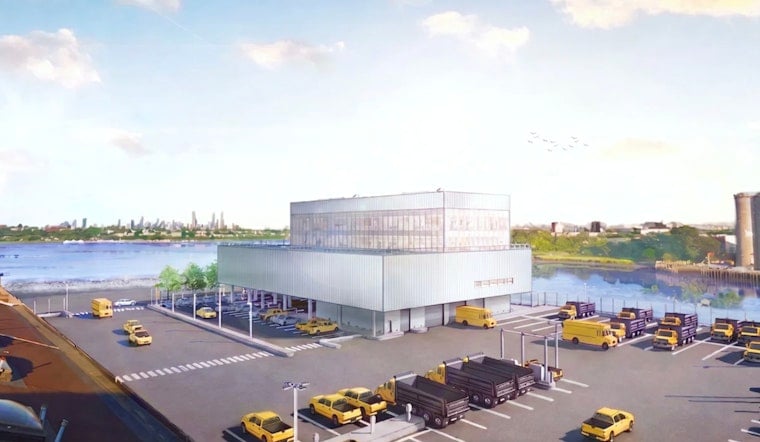
Construction crews are deep into a $121 million makeover of the New York City Department of Transportation’s Harper Street yard in Willets Point, turning a cluster of 1934-era buildings into a modern, flood-resistant hub while the site stays open for business. The multi-year upgrade aims to boost safety, resiliency and sustainability at a yard that keeps roughly 300 roadway repair and fleet workers in the field.
Who’s building it and what’s included
The Department of Design and Construction and NYC DOT have tapped a design-build team led by Urbahn Architects, with Selldorf Architects serving as design-excellence architect and Scalamandre-Tully JV as builder, according to New York Real Estate Journal. At 32-11 Harper St., the plan calls for a 72,820-square-foot, five-story administration and personnel building with warehouse space, a separate 1,849-square-foot two-story washbay, and a 100-square-foot precast, flood-resistant security booth. The new administrative structure will top out at about 91 feet in height, just under the Federal Aviation Administration limit of 96 feet, four inches for the site.
Design, resilience and green features
Project materials show the team is targeting LEED Gold certification and leaning heavily into water savings, electrification and flood protection. The design includes a geothermal system with 32 wells drilled to roughly 400 feet, a network of 38 EV charging stations and a goal of trimming indoor annual water use by about 40%, according to reporting by Informed Infrastructure. Streetside plans call for native plantings, benches and planting beds that are intended to reduce urban heat buildup while giving staff a more pleasant place to take a break.
How the city will keep the yard running
The Harper Street yard operates around the clock, backing up emergency roadway repairs, snow operations and fleet services, so the rebuild is being sequenced in phases so the work does not shut the yard down. Administrative staff will temporarily shift into existing maintenance buildings while older structures are demolished and replaced, and the overall construction effort is expected to bring in roughly 400 workers, according to Connect CRE. The phased schedule is intended to keep the yard ready for storms and other emergencies even as the campus is reconfigured.
Permits and environmental work
Because the yard sits on the edge of Flushing Creek, the overhaul has moved forward alongside environmental permitting and cleanup steps. New York State Department of Environmental Conservation notices list 32-11 Harper St. in filings that cover stormwater outfalls and treated groundwater discharge to Flushing Creek, reflecting planned bulkhead upgrades and new stormwater conveyance systems. Those documents indicate the city is coordinating with waterfront and environmental regulators to handle contaminants and tidal conditions as the project advances.
Local context and controversy
The Harper Street rebuild is unfolding in the middle of a broader Willets Point shakeup that features new housing and the Etihad Park stadium project, so infrastructure upgrades are getting fresh attention from nearby residents and developers. At the same time, some landowners and community members are fighting a separate DOT proposal for an asphalt plant in the area, arguing the industrial use clashes with the neighborhood’s shifting identity, according to QNS. Recent coverage of Willets Point’s residential push shows how the DOT yard work slots into a wider and sometimes contentious waterfront remake, including reports as Willets Point Commons opens its doors.
Timeline and next steps
The DDC released a design-build request for proposals in May 2022, selected the Scalamandre-Tully / Urbahn / Selldorf team in January 2023 and awarded the final contract in April 2023, according to New York Real Estate Journal. Construction will continue in phases so the yard can keep running, and project documents have not yet put a firm public completion date on the calendar. Arup is serving as the owner’s representative, coordinating the various engineering and sustainability consultants attached to the job.
“Construction is taking place in phases to ensure that the yard can continue its critical operations without interruptions,” Prince R. Shah, CCM, the design-build project manager, told Informed Infrastructure. When the dust finally settles, the team says the rebuilt complex will pull together maintenance, administration and storage in a single resilient facility intended to support the city’s roadway network for decades.





