

























































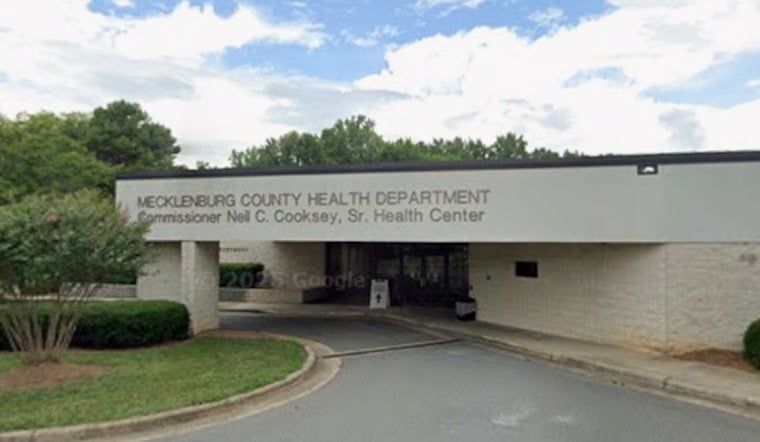
A rabid coyote encounter in Huntersville has prompted Mecklenburg County Public Health to issue a rabies alert, after both a person and a pet were exposed to the animal last Saturday. The coyote later tested positive for rabies, and officials say both the human and the pet are now receiving post-exposure treatment. County leaders are using the scare as a blunt reminder to steer clear of wild animals and keep pet vaccinations fully up to date.
The alert went out in a county news release, and The Charlotte Observer reports it is Mecklenburg County's first confirmed rabid coyote in eight years, as well as the fourth confirmed rabies case in the county so far this year. Health officials did not detail how the exposure actually happened, but said they issue alerts when there is potential for broader public exposure.
What officials want residents to do
For anyone who thinks they may have had contact with a potentially rabid animal, Mecklenburg County's Rabies/Zoonosis Control guidance is straightforward: call Rabies/Zoonosis Control at 980-314-9201 or 980-314-9202, or contact the county switchboard at 704-336-4700, according to Mecklenburg County Public Health. Sick wild animals or incidents should be reported to Animal Care & Control by dialing 311 so officers can respond and arrange testing when needed.
The county notes that its health department does not provide post-exposure rabies vaccinations. Post-exposure prophylaxis, often called PEP, is typically started in hospital emergency departments or other clinical settings after consultation with a medical provider.
How rabies spreads and why timing is critical
Rabies spreads through the saliva of an infected animal, most commonly through bites, but also through licks on open wounds or scratches. Early on, symptoms can look a lot like the flu before progressing into serious neurological problems.
The U.S. Centers for Disease Control and Prevention says that thorough wound care combined with timely post-exposure prophylaxis, which includes human rabies immune globulin and a series of rabies vaccine doses, is highly effective at preventing the disease as long as treatment starts before symptoms appear. For clinical details on PEP, clinicians are directed to guidance from the U.S. Centers for Disease Control and Prevention.
Protecting pets and the neighborhood
Officials are also stressing the basics for pet owners. Dogs, cats and ferrets should stay current on rabies vaccinations, and pets that may have tangled with wildlife should be confined until they can be evaluated. If a pet is bitten, owners are advised to contact their veterinarian right away and call Animal Care & Control so the animal can be assessed, according to Mecklenburg County Public Health.
Residents who see animals behaving in unusual ways, such as acting oddly tame, aggressive or active during daytime when they are normally nocturnal, are urged to call 311 so animal-control officers can check things out and arrange testing if warranted. Public health officials emphasize that human rabies is rare in the United States, but once symptoms start it is almost always fatal, which is why they repeatedly stress fast reporting and quick access to treatment.





