

























































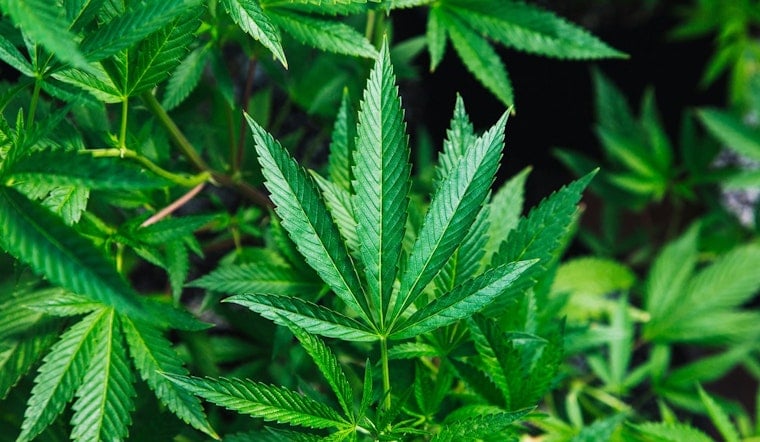
Raleigh is inching closer to carding anyone who wants a buzz from hemp-derived products or kratom, and anyone under 21 could soon find those options off the table entirely.
House lawmakers on Wednesday rolled out a rewritten Senate bill that would block people under 21 from buying or possessing hemp-derived consumables and, after a late tweak, kratom products too. Under the proposal, under-21 possession would be a Class 2 misdemeanor, with fines that climb for repeat offenses, and the whole thing is written to kick in on Dec. 1, 2026. Lawmakers and business owners say the timing is no accident, since the state’s hemp market is already bracing for major federal rule changes coming later this year.
The overhaul surfaced in a House agriculture committee meeting, where Rep. Jeffrey McNeely offered the amendment that folded consumable kratom into the same age restriction. McNeely said “it's sadly comical when there's a 14-year-old (who) can go in and buy the product.” Rep. Jimmy Dixon told colleagues the language was “universally accepted” and called an age cutoff “the lowest-hanging fruit” for keeping kids away from these products. That exchange and the committee’s move on the bill were reported by The News & Observer.
What The Bill Would Actually Do
The House measure tracks closely with the existing language in Senate Bill 59. It would make it illegal to sell or deliver a hemp-derived consumable product to anyone under 21 and would also criminalize possession of those products by people under 21.
The draft defines “hemp-derived consumable product” broadly, covering finished goods meant to be eaten, drunk, or inhaled. Retailers would be required to check IDs whenever they have reasonable grounds to think a buyer is under 21.
Penalties in the proposal are set as a Class 2 misdemeanor, with fines of $500 for a first offense, $1,000 for a second, and $1,500 for a third or later offense. The effective date is spelled out as Dec. 1, 2026 in the filed version of Senate Bill 59.
Federal Rule Shift Is Turning Up The Heat
In the background, federal law is tightening. Congress changed the national definition of “hemp” last year, moving from a delta-9-only test to a “total THC” standard and adding a one-year implementation window that runs out in November 2026. That change was written into H.R. 5371, and legal analysts say it is likely to push many intoxicating hemp products, including popular delta-8 and THCa items, out of the legal hemp marketplace once federal enforcement kicks in.
The coming shift and its potential to squeeze a big slice of the current hemp market have been highlighted in industry coverage from Cannabis Business Times.
Why Lawmakers Say They Are Moving Now
Supporters frame the age limit as a simple, quick guardrail to keep potent, youth-friendly products out of backpacks and off school grounds. Lawmakers pointed to reports of young people getting their hands on intoxicating hemp items and argued there is no need to wait while more ambitious regulatory debates drag on.
Advocates and the governor's advisory council have pressed for stronger testing, clearer labels, and broader rules for hemp and kratom as well. State reporting has tracked both the committee back-and-forth and the bigger push for tighter controls, including the bill’s referral to House Rules noted by WRAL.
How The Industry Could Feel It
If the bill becomes law, shops that sell hemp-derived consumables would have to step up ID checks, and some retailers that lean heavily on intoxicating hemp products could be forced to overhaul their shelves or drop certain lines altogether.
That pressure is already building as businesses look ahead to the federal “total THC” rules, which many in the industry fear will effectively wipe out a large share of the products that currently pay the bills. North Carolina lawmakers have also toyed with a range of approaches to hemp and kratom in past sessions, from proposals to schedule kratom to ideas that would require licensing. Earlier legislative analyses flagged prior efforts that aimed at broader scheduling and licensing, including drafts such as House Bill 563.
What Happens Next
The rewritten Senate measure has now been sent to the powerful House Rules committee, which decides what legislation actually gets a shot on the floor before the short session wraps up. Lawmakers still have plenty to argue about, particularly over how far regulation of hemp and kratom should go and how fast.
If the bill clears both chambers and reaches the governor, its Dec. 1, 2026 effective date would land right as the federal enforcement timeline is expected to reshape hemp markets nationwide, a moment many North Carolina retailers see as a make-or-break test for their businesses. Committee schedules and new amendments will tell the next chapter of this fight.





