

























































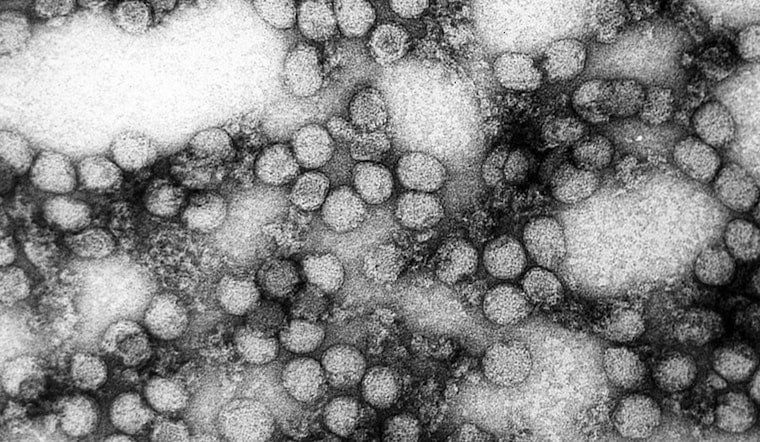
Health officials and area doctors say Powassan virus, a rare tick-borne illness that can inflame the brain, is circulating in parts of the Brainerd Lakes region. The overall danger is still much smaller than Lyme disease, yet recent reporting and state numbers show cases have climbed enough to put residents and cabin-goers on alert. Anyone spending time in the woods, on trails or around the lakes is being urged to take extra care with ticks during peak season.
Local reporting and the human toll
Recent local coverage has chronicled area cases, including the story of a Gull Lake resident who was diagnosed with Powassan in 2023 and later died, and included comments from Minnesota Department of Health epidemiologist Elizabeth Schiffman about how the virus can be easy to miss on routine testing. As reported by the Brainerd Dispatch, officials say even one confirmed Powassan infection is enough to justify heightened vigilance in lake-country neighborhoods.
State counts and county patterns
Minnesota recorded a record 14 Powassan cases in 2024, and county data back to 2008 show most infections clustering in north-central counties such as Cass, Itasca, Aitkin and Morrison. State data from the Minnesota Department of Health trace that county-by-county pattern, while the Star Tribune has highlighted how the statewide trend has quietly ticked up over time.
Why Powassan Is Different
Powassan is a virus rather than a bacterium like Lyme, and it can invade the central nervous system and cause encephalitis. Animal studies indicate that transmission from tick to host can happen in as little as 15 minutes, which is a much shorter window than people typically associate with tick-borne disease. Severe Powassan infections carry a notable fatality rate, and many survivors report long-term cognitive and memory problems, so clinicians tend to treat suspected cases very seriously even though the virus itself is rare.
CDC Emerging Infectious Diseases details the potential for severe neuroinvasive disease in a small share of patients. StatPearls similarly notes that the clinical stakes are high for those who develop complications involving the brain and nervous system. All of that makes prevention and quick medical attention crucial, even though overall case numbers in Minnesota remain low.
Diagnosis and testing
Confirming Powassan usually requires blood tests that look for antibodies or PCR testing on blood or cerebrospinal fluid. The catch is that the window to detect viral RNA in blood can be short, and many hospitals have limited capacity to run specialized Powassan tests. As a result, mild infections may never be confirmed on paper, and official case counts likely understate how many people are actually infected each year.
For nuts-and-bolts guidance on testing and reporting, clinicians can turn to Mayo Clinic Laboratories and to the Minnesota Department of Health's clinician guidance.
When and where risk is highest
State epidemiologists and local public health officials say the period from late May through about mid-July is when the risk of human Powassan infections is at its highest. Nymphal blacklegged ticks, roughly the size of a poppy seed and very easy to overlook, are most active during this stretch. Local reporting notes that only a small percentage of ticks carry Powassan, yet the consequences can be severe for the unlucky few who are bitten by an infected tick.
Coverage in the Brainerd Dispatch has relayed those seasonal warnings for lake-area residents and visitors, and public agencies continue to advise regular tick checks on yourself, your kids and your pets after spending time outdoors.
How to protect yourself
The best defenses are the same basics that work for other tick-borne diseases. Use EPA-registered insect repellents on exposed skin, treat clothing and gear with permethrin using 0.5% products or pretreated garments, wear long pants and closed-toe shoes, and do careful tick checks after being outside. The CDC recommends permethrin for clothing, and the EPA offers a searchable guide to tested repellents. Tossing clothes in the dryer on high heat for about 10 minutes will kill ticks that may have hitched a ride.
Always follow product labels and local public health advice when using chemical treatments. Researchers at the University of Minnesota are part of multi-state efforts to study Powassan and better understand how it spreads and who is most at risk, but until vaccines or specific treatments are available, officials say awareness and prevention remain the best tools.
Anyone who finds an attached tick or who develops fever, severe headache, confusion or other neurologic symptoms after a tick bite should contact a health care provider and their local public health office right away. Early reporting helps public health labs track and confirm cases, and it may give patients a better shot at avoiding the worst complications.





