

























































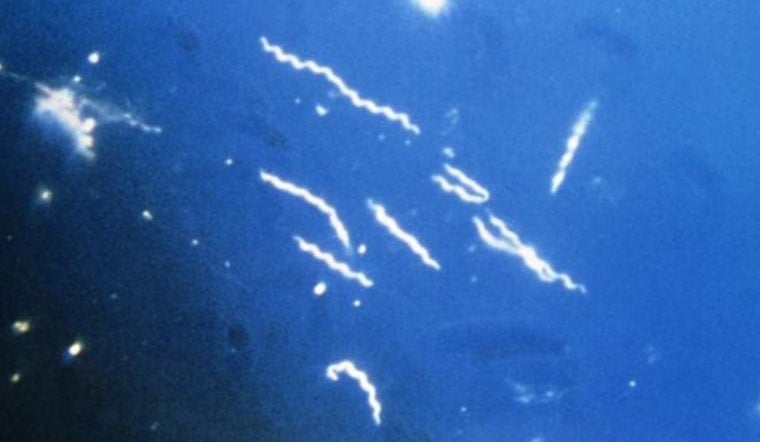
A rare Lyme-causing bacterium has quietly turned up in the woods of Herkimer County, and state health officials are paying close attention.
New York’s public health labs have identified Borrelia mayonii, an uncommon Lyme spirochete, in blacklegged ticks collected in the county. The discovery, announced this spring, follows a federally reported case of a locally acquired infection in an upstate resident who had not recently traveled. For now, the detection appears limited to a tight cluster of ticks, but with tick season ramping up, officials are urging residents to take the usual precautions seriously.
How Officials Found It
According to the state’s public health lab at the Wadsworth Center, more than 1,500 blacklegged ticks collected across New York were screened, and DNA from B. mayonii turned up in 10 of them. All 10 came from Herkimer County: one nymph and nine adult ticks.
Researchers used a newly developed real-time PCR test to pick up the bacterium and say whole-genome sequencing is underway to learn more about the strains circulating locally. Wadsworth has described the finding as the first time this species has been confirmed in ticks outside the Upper Midwest.
Federal Case Ties It To One Property
As reported by NBC News, the Centers for Disease Control and Prevention documented a locally acquired human infection linked to this discovery. The patient had not traveled recently, which pointed investigators straight to the person’s property.
State investigators told the outlet they collected several ticks from the wooded yard, and those specimens tested positive for B. mayonii. On updated tick-pathogen maps released this spring, the CDC highlights where B. mayonii and other Lyme bacteria have been detected across the country, underscoring how patchy tick surveillance can be and why local testing remains crucial, according to the CDC.
What Makes This Strain Different
B. mayonii is not entirely new on the national radar. It was first described by researchers at Mayo Clinic in 2016 and, until now, had mainly been reported in Minnesota and Wisconsin, according to the Mayo Clinic News Network.
Clinicians have observed that infections can show up a bit differently than classic Lyme. Instead of the familiar single bull’s-eye rash, patients may have more diffuse rashes, along with symptoms like nausea and vomiting. Some reported cases have involved more pronounced neurological issues.
The good news, doctors note, is that current U.S. Lyme diagnostic tests can detect B. mayonii, and standard Lyme antibiotics have been effective in cases described so far, according to Mayo’s coverage.
How Risky Is It For New Yorkers?
State lab officials are careful to stress how rare this finding is at the moment. The positive ticks came from one small upstate cluster and did not show evidence of broader spread in the statewide sampling that has been done.
At the same time, Lyme disease diagnoses in New York have been climbing in recent years, which has both clinicians and residents on alert for any new tickborne developments, as reported by NBC News. Researchers also point to changing habitats and expanding tick ranges as part of the backdrop. Recent regional research has documented ticks moving northward and becoming more abundant, trends that can increase local exposure risk for people and pets (Parasites & Vectors).
How To Protect Yourself
Health agencies are not asking anyone to avoid the outdoors, but they are pushing layered protection. That means using EPA-registered insect repellents, wearing long sleeves, tucking pants into socks in brushy or wooded areas, and treating clothing with permethrin when appropriate.
After spending time in tall grass, leaf litter, or woods, officials advise doing thorough tick checks on your body and your pets. Remove any attached ticks promptly with fine-tipped tweezers and save the tick if you can. In general, the CDC notes that infected ticks usually need to be attached for more than 24 hours to transmit Lyme bacteria, so quick removal lowers the odds of infection (CDC).
If you develop fever, fatigue, or an expanding rash after a tick bite, contact your health care provider for evaluation and, if needed, testing.
What Comes Next
The work on this bug is not over. Wadsworth scientists say whole-genome sequencing is in progress and that targeted tick surveillance will continue through the summer. The lab plans to post updates as new results come in, according to the Wadsworth Center.
Public health officials say the new testing method should help catch other emerging tickborne threats more quickly. In the meantime, local health departments in wooded and rural counties are urging residents to stick with standard tick precautions and to seek care if symptoms crop up after a bite.





