

























































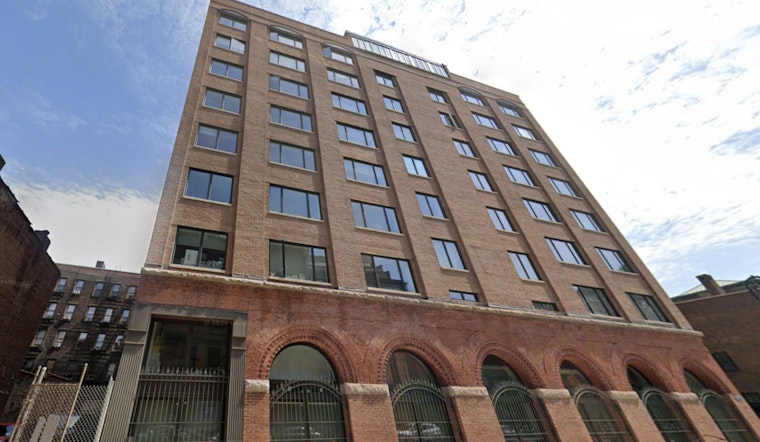
Donna Karan’s Urban Zen boutique in the West Village is taking its neighbor to court, claiming a next-door vacant lot has effectively turned into a rat-friendly “garbage dump” that is scaring off customers and wrecking the brand’s carefully curated vibe.
The lawsuit, filed in New York Supreme Court last Friday, alleges that rodents have been spotted inside the high-end shop and that staff have had to cancel events and turn customers away. Urban Zen says the infestation has bruised its reputation and hurt its revenue.
According to The Real Deal, the complaint targets 703 Greenwich Street, LLC, an entity tied to William Gottlieb Real Estate. The suit blames conditions on the vacant parcel next door for giving rats everything they need to settle in: a downed tree stump, rubble and a dumpster that allegedly created “burrowing channels” and a steady food source. Urban Zen claims the problem began in 2024 and that the fallout has included canceled store events, lost clientele and financial damage.
Urban Zen’s storefront and the neighborhood context
Urban Zen operates its flagship at 705 Greenwich Street in the heart of the West Village, a location the brand highlights on its official site. Urban Zen leans heavily on in-store events and private appointments, which the complaint says were disrupted when rats started appearing and customers started backing away.
On this narrow block, there is not much breathing room between properties. City documents identify the neighboring lot as 703 Greenwich Street (Block 631, Lot 33), underscoring how tightly the parcels sit. City records show the parcel in official filings for the area.
Owner denies the allegations
The owner of the vacant parcel, 703 Greenwich Street, LLC, is not taking the accusations quietly. The company told The Real Deal that the claims are “spurious” and insisted the lot is well maintained and regularly treated for pests.
The LLC said it would consider additional extermination work if necessary, but suggested that other nearby tenants or restaurants might be fueling any rat activity in the area. Reporting on the Gottlieb family’s long-held property portfolio in the neighborhood provides some backdrop for who controls the site. amNewYork has previously detailed the family’s real estate holdings and transfers of local buildings.
Public-health and city enforcement
New York City’s health department runs an intensive rat mitigation program that leans on inspections, orders to abate and targeted extermination when private owners do not clean up conditions that attract rodents. The Department of Health’s Rat Mitigation Zones report describes how inspectors can issue abatement orders and, if owners ignore them, step in with pest control and then bill the property owners.
NYC DOHMH points out that rats flourish where there is food, water and harborage. Those are the same ingredients Urban Zen says are sitting right next door on the disputed lot.
Legal angle
Cases like this often center on nuisance and negligence theories. The complaining party argues that a neighbor’s failure to fix a problem created an unreasonable interference with the use and enjoyment of property or the operation of a business, then asks for money damages or a court order forcing the neighbor to act.
Legal primers draw a line between private nuisance, which affects specific individuals or entities, and public nuisance, which affects the community at large, and they outline the range of remedies judges consider. For background on how those doctrines work, see Cornell Law’s Legal Information Institute.
The Urban Zen lawsuit is now on file in state court and will put the vacant lot’s maintenance record under the microscope. City inspectors and their enforcement tools could also enter the picture if they find violations. For now, the complaint lays out a classic New York tension: when one under-tended parcel on a dense block becomes every neighboring business’s problem, the next stop is often a courtroom.



