

























































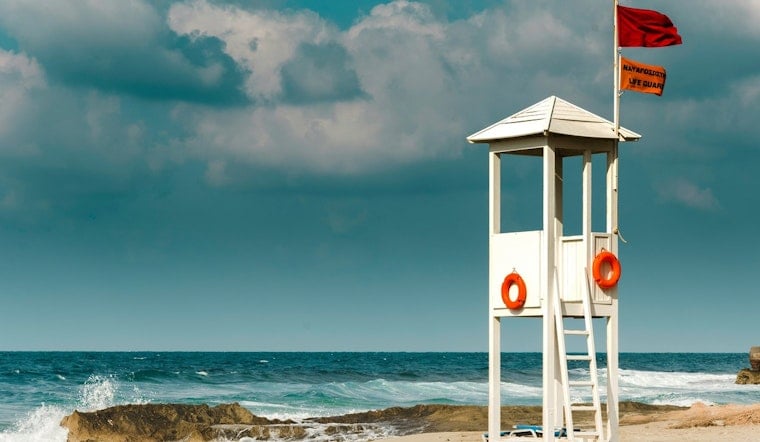
Rough Gulf surf off Anna Maria Island turned last week into a sprint for Manatee County lifeguards, who handled 136 water rescues in just three days as more than 125 rip currents churned offshore. On top of those saves, crews logged 187 proactive safety interventions between Wednesday and Friday, often stepping in before swimmers realized how much trouble they were in. County officials stressed that conditions can swing quickly and urged visitors to stick to guarded sections of the beach.
Beach conditions can change quickly, and over the past few days, our Beach Patrol team has been keeping a close watch on our shoreline. From Wednesday through Friday of last week, lifeguards responded to 136 rescues, observed more than 125 rip currents and made 187 proactive safety interventions. If you get caught in a rip current, stay calm, float, conserve your energy and swim parallel to the shore until you are out of the current.
— Manatee County Government (@manateegov) June 23, 2026
County Tallies A Surge In Rescues
According to WFLA Tampa, lifeguards logged 136 rescues from Wednesday through Friday, observed more than 125 rip currents and made 187 proactive safety interventions. County officials shared the numbers to underscore just how hazardous the surf had become and to remind beachgoers what to do if a current grabs hold and starts dragging them offshore.
Where Lifeguards Were Posted
Manatee County Beach Patrol staffs 11 lifeguard towers across three guarded beaches: Manatee Public Beach, Coquina Beach and Cortez Beach. The division handles water rescues, medical calls and ordinance enforcement. With multiple towers spread across the island, crews can shift quickly between trouble spots and carry out proactive interventions before a close call turns into a crisis.
Why Rip Currents Became So Dangerous
Rip currents form when incoming waves pile water up near the shore and that water funnels back out to sea through narrow, fast-moving channels. They can pop up with little warning or strengthen after a series of larger waves rolls through, catching swimmers off guard. The National Weather Service Tampa Bay maintains rip current graphics and coastal guidance that local officials use when flagging elevated risk for anyone heading into the surf.
How To Handle A Rip Current
The county’s advice is straightforward: "If you get caught in a rip current, stay calm, float, conserve your energy and swim parallel to the shore until you are out of the current," the county said. If you cannot make it back to the beach on your own, officials say to wave, shout and float to draw attention until help arrives. The simplest prevention tip is to swim only where lifeguard towers are staffed and to obey the beach flag system.
Checking Conditions Before You Hit The Sand
Officials urge visitors to check daily beach conditions on the county’s beach page and to consult the National Weather Service rip current graphic for forecasts and hazard maps before heading out. When the surf looks questionable, they recommend following lifeguards’ instructions and choosing a guarded stretch of shoreline instead of venturing into the water alone.




