

























































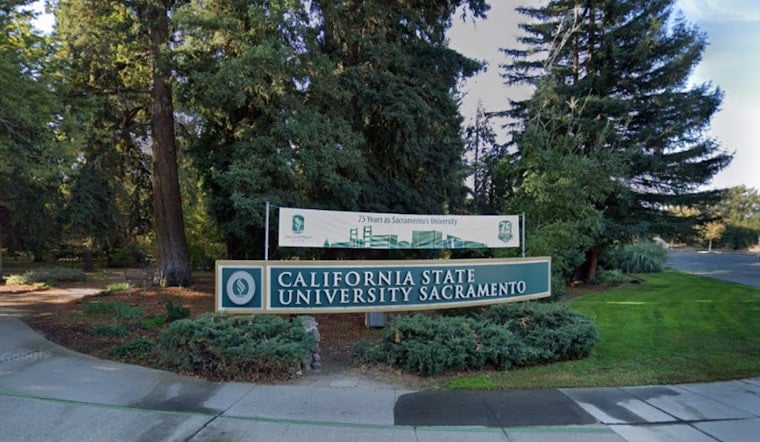
California State University leaders have delivered a split verdict on Sacramento State President J. Luke Wood, calling him a "highly energetic, charismatic and boldly innovative" leader while also warning that he has serious repair work ahead on campus trust and internal cohesion. The months-long performance review, released this week, reads like a mix of fan mail and performance plan, praising splashy new initiatives while spelling out exactly where CSU officials want to see course corrections.
In a letter to the campus community Wednesday, CSU Chancellor Mildred García announced the review’s completion and said it pulled in feedback from students, faculty, staff and an independent Office of the Chancellor evaluation that included campus visits and data on operations, finances and student success. The letter both celebrates Wood’s drive and lists six specific goals, ranging from more transparent and consistent communication with the campus to sharpening Sacramento State’s national brand, according to The Sacramento Bee.
Big Initiatives And Campus Growth
Since taking the helm, Wood has leaned hard into big-ticket projects. Sacramento State launched what it describes as the nation’s first Black Honors College and created the new Wileety Native American College, all while enrollment climbed to roughly 31,000 students. Those milestones, highlighted on the university’s own fact book site, are held up in the chancellor’s review as marquee examples of Wood’s impact so far, per Sacramento State.
Where The Review Urges Fixes
The same document does not sugarcoat the challenges. CSU leaders urge Wood to rebuild trust with key campus groups, publish measurable progress reports so people can actually see what is getting done, and work with an executive coach to strengthen teamwork among his cabinet. The review also directs him to complete repatriation efforts and to consolidate some business operations with Stanislaus State, with finance teams slated to be integrated by July 1 and procurement operations by June 30, 2027. On top of that, it flags the university’s controversial push toward the Football Bowl Subdivision and a roughly $24 million financial commitment tied to that effort, according to The Sacramento Bee.
Pay, Perks And Oversight
Board documents put Wood’s base salary at $504,799, and CSU trustees have made him eligible for up to a 10% annual performance incentive under the system’s November 2025 compensation framework. Reporting and campus records also show a housing allowance of roughly $60,000 and other stipends that push his total compensation above $600,000, as reported by CapRadio.
Repatriation And Legal Obligations
The CSU review adds pressure on another front: federal and state repatriation requirements. Sacramento State’s own NAGPRA page reports that, as of April, the campus had repatriated about 89% of ancestral remains and 78% of cultural items in its care, according to Sacramento State. The Native American Graves Protection and Repatriation Act and California’s CalNAGPRA lay out the legal duties, consultation timelines and procedural steps that institutions must follow for Native ancestors and cultural items, a framework detailed in guidance from the NPS.
What Comes Next
García’s letter frames the evaluation as part of the CSU system’s regular triennial review cycle and notes that she will continue less formal annual check-ins in between those deeper dives. Under that cadence, campus presidents get a full formal review every three years, which would put Wood’s next major evaluation in 2029, a schedule outlined by The State Hornet. For now, the review’s six goals and public benchmarks effectively set the clock: CSU leaders want Wood’s high-octane style to translate into clearer evidence of progress and a broader sense of confidence on campus.





