

























































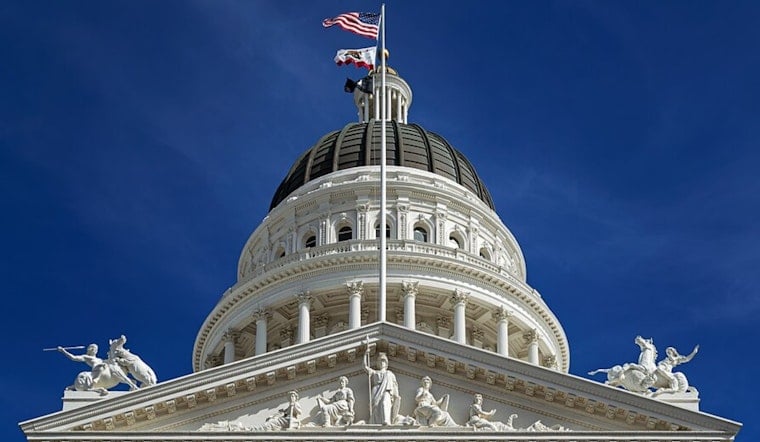
On May 27, the California State Assembly voted 57-0 to pass AB 2218, a bill from Assemblymember Ash Kalra that would make recognition of Indigenous water harms an explicit state policy. The measure adds statutory direction for state agencies to address inequities caused by past state actions that removed tribes from ancestral lands and waters. With the Assembly vote in the books, the bill now heads to the State Senate, where both supporters and skeptics are already eyeing the coming fight over how it will actually work on the ground.
In a press release, the Karuk Tribe called the Assembly votes a significant step and urged state agencies to protect tribal water uses, according to the Karuk Tribe. The Assembly’s roll call shows the measure passed 57-0 on May 27 and was ordered to the Senate, according to Legislative Information.
What AB 2218 Would Do
AB 2218 would write a formal apology into the Government Code and create a new Water Code policy that directs state agencies to “recognize and address” water inequities inflicted on California Native American tribes. The bill specifically names the State Water Resources Control Board, regional water quality control boards, the Natural Resources Agency, the Delta Stewardship Council, and the Office of Land Use and Climate Innovation, and asks those bodies to consider tribal harms when adopting regulations, permits, or grant criteria. The measure also requires the State Water Board, upon request during certain investigations, to consult with tribes whose ancestral territory includes the water body at issue, as detailed in the LegiScan text.
Tribes Say The Bill Begins Repair
Tribal leaders are describing AB 2218 as a long-overdue attempt to start repairing historic damage. “We have not and will not abandon our role as guardians of the water,” Malissa Tayaba, vice chair of the Shingle Springs Band of Miwok Indians, said in the Karuk press release. Karuk Chairman Russell “Buster” Attebery added that healthy rivers and restored fisheries are inseparable from Tribal sovereignty in water governance, underscoring tribal hopes that the law will protect subsistence and cultural practices, according to the Karuk Tribe.
Questions About Implementation
Not everyone in Sacramento is convinced the bill’s language is ready for prime time. The Association of California Water Agencies told committee members it was opposed unless amended, arguing that some terms are vague and need clearer definitions, according to a committee transcript hosted by CalMatters Digital Democracy. Local reporting has also pointed out that AB 2218’s real-world impact will hinge on how state agencies decide to apply the new policy, a prospect that is likely to draw close scrutiny from agricultural water users and North State stakeholders, as reported by Siskiyou News.
What Comes Next
The bill is now in the Senate. Legislative Information shows it was read in the upper chamber and sent off for rules assignment, according to Legislative Information. If the Senate signs off on AB 2218, the measure would head to the governor’s desk, and state agencies would then have to launch rulemaking to implement the new policy. That process could take months and would likely involve public rulemaking and negotiation with a wide range of stakeholders, as described in Legislative Information. Advocates say the statutory language gives agencies a clear prompt to work with tribes and to look at financial and regulatory tools that could help restore tribal water uses.
Supporters frame AB 2218 as an early step toward addressing long-standing harms and building tribal knowledge into California’s water management decisions. Critics counter that everything will depend on legal fine print and on whether agencies follow through. Environmental groups, including California Environmental Voters, have listed AB 2218 among their water and climate priorities and described the bill as helping to “establish a clear policy directive” for addressing tribal harms, according to California Environmental Voters. For now, lawmakers in Sacramento and tribal leaders are watching the Senate calendar to see if California will move from symbolic acknowledgment to concrete remedies.





,_NW_view_up.jpg)