

























































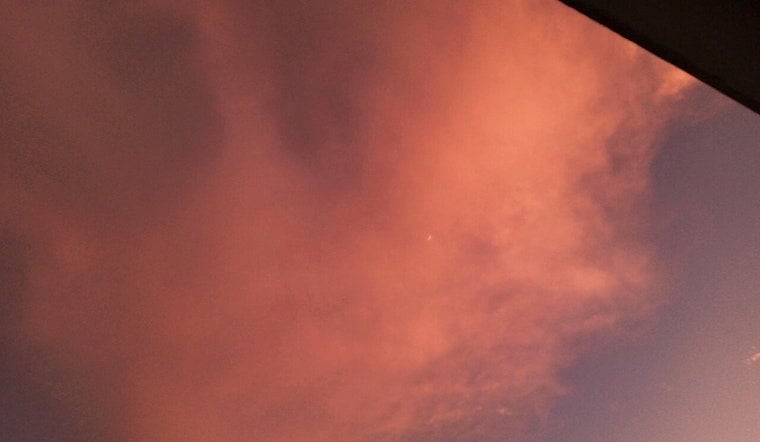
A cloud of Saharan dust is on a long-haul flight from Africa to Texas, and the Gulf Coast is right in its path this week. Expect milky skies, extra-vivid sunsets and a short-term bump in particulate pollution as the haze rolls through. Forecasters say a first, lighter wave should arrive early Wednesday (June 24), with a potentially thicker pulse lining up for late next week. For most people it will be more of a sky show than a crisis, but those with asthma, chronic lung disease or heart problems could see flare-ups, along with coughing and eye or throat irritation.
Weather models trace the dust plume back to West Africa, then follow it riding west across the Atlantic. As reported by the San Antonio Express-News, the first plume is expected to reach the Gulf Coast early Wednesday, with the heaviest concentrations likely Monday and Tuesday of next week. The Express-News notes these dust streams commonly travel more than 4,500 miles before finally drifting into the southern United States.
State Forecast And Air-Quality Risk
The Texas Commission on Environmental Quality daily outlook shows PM2.5 and PM10 levels may climb into the "Moderate" Air Quality Index band across much of eastern and south-central Texas while the dust is overhead, a range that can affect sensitive groups. Forecast maps from TCEQ flag likely moderate particulate readings for Houston, San Antonio, Corpus Christi and other monitoring regions through the coming days.
Health Concerns
The Centers for Disease Control and Prevention notes that Saharan dust is a form of particulate matter that can be inhaled deeply into the lungs and can aggravate asthma, COPD and other respiratory or cardiovascular conditions. CDC guidance recommends that children, older adults and people with chronic lung or heart disease limit outdoor exertion on dusty days and follow their medical action plans.
How To Protect Yourself
Check current local air conditions on AirNow before planning outdoor activities, and consider skipping strenuous exercise when the Air Quality Index is elevated. State guidance and air-quality pages suggest staying indoors with windows closed, running air conditioning with a clean filter, and wearing a well-fitting N95 or KN95 mask if you need to be outside during heavier dust. People with breathing problems should keep their medications handy and contact a healthcare provider if symptoms start to worsen.
Why Scientists Track These Plumes
Satellite analyses and model runs from the Copernicus Atmosphere Monitoring Service show how Saharan dust can span thousands of miles as it crosses oceans and continents. Researchers note that the dust carries iron and phosphorus that help fertilize ocean and soil systems, and that the dry, dusty air tends to suppress tropical storm formation. Copernicus visualizations make the plume’s path and scale easy to see from above.
For now, Texans along the Gulf Coast can expect a few days of milky haze and brighter-than-usual sunsets. Officials say most people will only notice cosmetic changes in the sky, but sensitive groups should take basic precautions and keep an eye on local forecasts and the AQI. For up-to-the-minute neighborhood maps and forecasts, check both Texas Commission on Environmental Quality and AirNow.





