

























































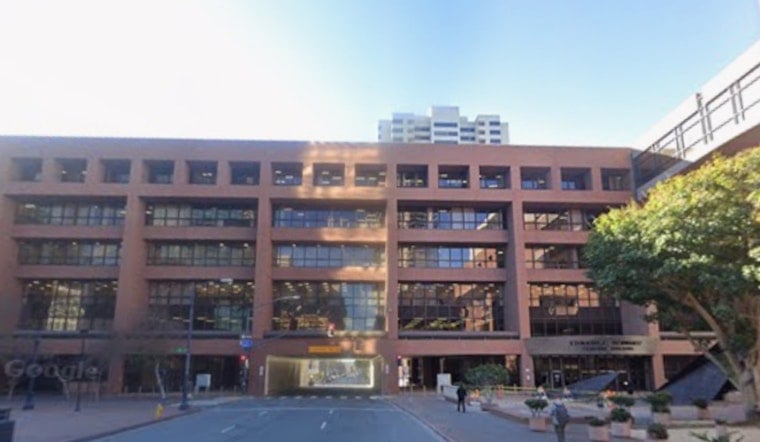
In a whirlwind hearing inside the Edward J. Schwartz Federal Building last Friday, a San Diego immigration judge ordered 50 people deported in their absence during a packed mega master-calendar session. Attorneys and court observers say these mass dockets, which reschedule and consolidate dozens of previously set cases, risk leaving respondents without notice or time to get ready.
Courtroom whirlwind in downtown San Diego
Judge Catherine Halliday-Roberts presided over a docket with roughly 80 names, but only about 20 respondents showed up. After reviewing the files, she entered in-absentia removal orders for 50 people. According to Daylight San Diego, 49 of those orders were issued in a single, roughly eight-minute group proceeding.
The judge identified about 14 cases with issues and rescheduled most of the people who did appear to the end of July, dismissing a couple of cases and transferring one to Buffalo. Observers reported that the waiting room filled early and that access to the courtroom for family members and legal observers was limited.
Part of a nationwide push
Immigration courts around the country have begun holding "mega master" calendar sessions that cram dozens or more respondents into a single docket. The approach is tied to a nationwide scheduling push to clear a massive case backlog, as reported by ABC News.
Attorneys say the shift has sometimes yanked hearings that were scheduled for 2027 or later into the very near future, and court clerks have told lawyers the change stems from higher-level scheduling directives. The Executive Office for Immigration Review, or EOIR, has said it is adding judges and making scheduling adjustments to complete cases in a timely way.
Advocates say due process is at risk
The outlet also described language-access problems and family members left confused about what was happening. Volunteer court monitors urged people with pending cases to double-check their hearing dates and contact counsel immediately, warning that a quiet reschedule can turn into a sudden deportation order if someone misses court.
Legal implications
Federal rules allow a judge to issue an in-absentia removal order when a respondent fails to appear and proper notice was provided. Lawyers warn that abrupt rescheduling and poor address tracking can make true notice unlikely, a combination that could increase default deportations, according to The Washington Post.
EOIR has defended the scheduling changes as necessary to chip away at an enormous backlog. Advocates and legal groups counter that the policy risks trading individualized review for speed, with life-altering consequences decided in minutes.
What lawyers and groups are telling people
National and local legal groups are urging anyone on an immigration docket to check court calendars daily, update their contact information with the court and seek legal help. The National Immigration Project has condemned mega master dockets as a "mass deportation scheme" and has published guidance for attorneys and advocates. Local volunteers and legal aid organizations have been circulating multilingual checklists and step-by-step advice to help people verify hearing dates and avoid in-absentia orders.
The San Diego court rescheduled many of those who appeared to late July, and the coming weeks will show whether this was a one-off shock or the start of a lasting shift in how removal hearings are handled. For now, attorneys say the most reliable protection is vigilance: check your case online, keep the court updated on any address changes and contact legal services fast if a hearing is moved.





