

























































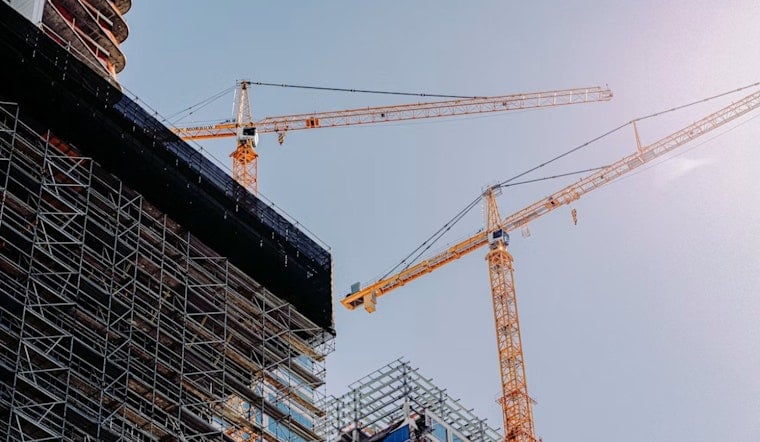
San Diego’s own rulebook is quietly piling on costs and calendar risk for anyone trying to build homes, turning routine permits into a slow-motion money drain. Layers of environmental and cultural checks, from seasonal surveys for rare pollinators to archaeological records searches, are adding months and thousands of dollars to projects that were supposed to put new roofs over people’s heads. Builders and housing advocates say those extra steps are shoving borderline projects into luxury territory or straight onto the shelf.
As reported by The San Diego Union-Tribune, city review letters show some owners being told to budget roughly $16,000 for seasonal surveys for Crotch’s bumblebee and the coastal California gnatcatcher, plus about $15,000 to confirm that Native American artifacts are not present. The reporting also notes a single project that drew roughly 100 city comment letters, which developers say drove up both review timelines and costs.
Small windows, big bills
State and federal survey rules give biologists only tight windows to look for certain species, turning a short field season into a scheduling headache. California Department of Fish and Wildlife guidance says surveys should be conducted during the Colony Active Period (April through August) for Crotch’s bumblebee and calls for multiple site visits spaced weeks apart, which can mean repeated field seasons and stacked consultant fees. The U.S. Fish & Wildlife Service gnatcatcher protocol fixes a breeding season (roughly Feb. 15–Aug. 30) and requires multiple presence or absence visits to hit the protocol’s detection confidence.
Missed windows can add months or a year
When construction timelines do not line up with those survey calendars, the penalty shows up in months of lost time. Environmental reviews and permitting often require “protocol-level” pre-construction surveys completed within a year of ground-disturbing work, environmental review documents state, so missing a season can sideline a project until the next suitable field window. Environmental review documents for large projects spell out that construction during breeding season is only allowed if recent protocol surveys confirm absence, a requirement that developers say can stall work for months or even an entire year.
Why it matters for San Diego housing
San Diego already wrestles with high land and labor costs and years of underproduction, and extra survey fees and waves of city comments make mid-market projects even harder to pencil, analysts and builders told local outlets, according to KPBS. Local reporting and data show the city has fallen short of state housing targets, and critics argue the added compliance costs nudge developers toward high-end units or into mothballing marginal projects rather than gambling on thinner returns.
Legal trade-offs
The rules trace back to state and federal environmental and cultural-protection laws, and ignoring required protocols can jeopardize permits or trigger costly mitigation or enforcement. Housing advocates say the city could at least ease the calendar risk by standardizing checklists, pre-funding common technical studies, or offering clearer timelines so projects can move forward without sacrificing protections for sensitive species or cultural resources.




