

























































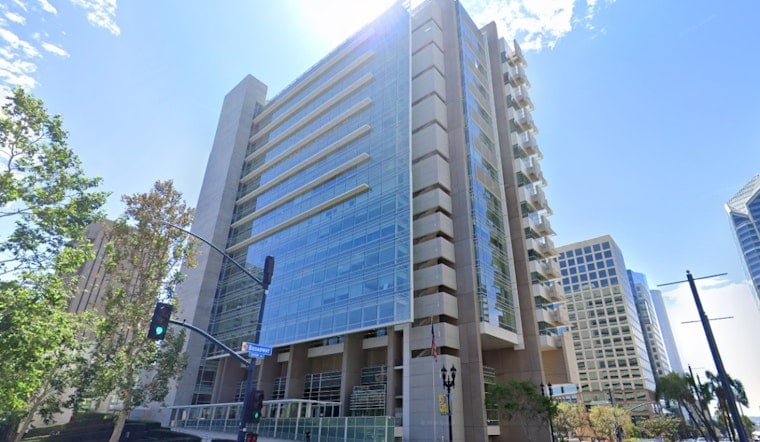
A federal judge in San Diego yesterday reaffirmed that a human‑trafficking and forced‑labor lawsuit against canned‑tuna maker Bumble Bee may proceed, giving four Indonesian fishermen another chance to press civil claims in U.S. court. The decision follows a complex procedural fight and an admission from the bench that an earlier ruling misstated the law, a correction that keeps one of the few TVPRA supply‑chain cases alive.
Chief U.S. District Judge Cynthia Bashant denied Bumble Bee’s request to reconsider and to immediately appeal, ruling that the plaintiffs' claims will not be dismissed, according to The San Diego Union‑Tribune. Bashant acknowledged she had made a "clear error" in a November ruling and concluded that the Trafficking Victims Protection Reauthorization Act can reach alleged abuses that occurred outside the United States.
Allegations from the complaint
As detailed in the plaintiffs' complaint filed in March 2025, one man says he was denied medical care after severe burns from hot oil, another alleges a load of fish gashed his leg down to the bone, and two plaintiffs say they were routinely beaten and stabbed with needles by captains who prevented them from leaving the ships. The four men, from rural Indonesian villages, say those vessels supplied tuna into Bumble Bee’s trusted network, and they seek civil damages under the TVPRA. The incidents are laid out in detail for the court in a filing posted by Cohen Milstein.
What the judge said and next steps
Bashant rejected Bumble Bee’s contention that the TVPRA does not apply extraterritorially, finding that Congress provided the requisite clear, affirmative indication to allow these claims to proceed, and she refused the company's bid for interlocutory review. That ruling keeps the case moving toward discovery, and the court has scheduled a hearing in the coming weeks to set a case timeline and resolve outstanding procedural questions. The reasoning behind the decision is spelled out in a written order available via Justia.
Company statement and advocates' reaction
Bumble Bee told reporters it cares deeply about the people behind every bit of seafood we sell and unequivocally condemns forced labor and noted that the recent ruling does not include any finding that Bumble Bee engaged in wrongdoing, according to The San Diego Union‑Tribune. Advocates pushed back. Greenpeace USA, which has campaigned on labor abuses in tuna supply chains and worked alongside the plaintiffs' lawyers, called the denial a vindication and urged the industry to adopt stronger safeguards to prevent abuse at sea.
Why this matters in San Diego
The lawsuit puts pressure on a locally headquartered brand and could shape how U.S. courts treat supply‑chain claims against companies whose alleged misconduct occurs overseas. Legal observers note that this is one of a small number of TVPRA supply‑chain suits to survive early motions, and its trajectory may push buyers to tighten monitoring of distant‑water fleets that NGO investigations and industry reporting have linked to illegal fishing and worker abuse. Coverage by Law360 and reporting on industry practices by SeafoodSource provide additional context on those risks.
For now, the judge's ruling keeps the matter moving inside a San Diego courtroom, where the plaintiffs will press their claims and Bumble Bee will continue to defend its conduct and supply‑chain practices. The hearing in the coming weeks will set the pace for discovery and the next procedural milestones in a case advocates say could resonate across the global tuna trade.





