

























































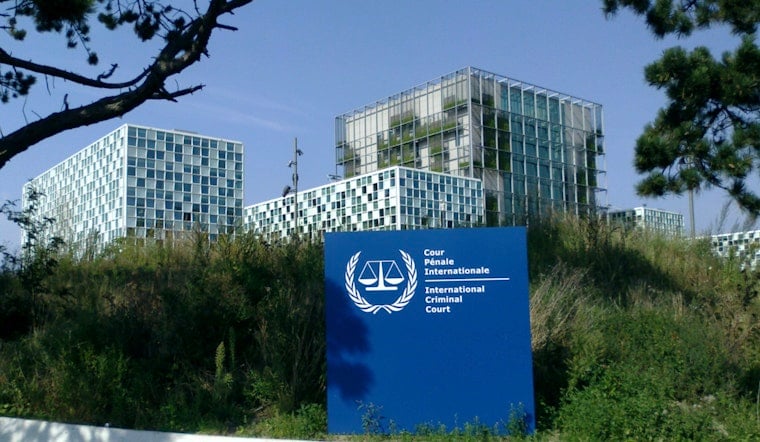
Three judges from the International Criminal Court have taken their fight to New York, filing a federal lawsuit in Manhattan on Wednesday that accuses President Trump and his administration of overstepping their authority when they sanctioned court officials. The plaintiffs, Canadian judge Kimberly Prost and her colleagues Reine Alapini‑Gansou and Solomy Balungi Bossa, say the penalties have not only crippled their official work but created immediate personal and financial headaches.
The complaint, filed in the U.S. District Court for the Southern District of New York, argues that the sanctions exceeded the president’s authority under the International Emergency Economic Powers Act and were imposed in an arbitrary, procedurally deficient manner, according to The New York Times. The suit also contends that U.S. officials froze or blocked access to U.S.-based bank accounts and other services in ways that violated the judges’ Fifth Amendment due process rights.
Sanctions' Real-World Sting
"My credit cards ceased to work and I had to borrow a card to pay a €15 toll," Ms. Prost told The New York Times. She said Amazon canceled her accounts and that Google and several banks contacted her after the sanctions designations, a chain reaction that shows how U.S. restrictions can spill into everyday digital and financial life far beyond formal travel bans and asset freezes.
How Washington Rolled Out The Punishments
The administration first invoked an executive order early in 2025, then expanded the designations through multiple rounds that targeted the ICC prosecutor and later several judges, citing national security concerns, as reported by The Washington Post. Critics and affected judges say those measures, which included travel bans, asset freezes and limits on services from U.S. companies, have pushed banks and tech firms in Europe to cut services to sanctioned individuals, according to JusticeInfo.
The Legal Test In Manhattan
The judges’ complaint zeroes in on procedural and statutory arguments that ask a U.S. court to put guardrails on how far a president can go when using the International Emergency Economic Powers Act and related regulations. Earlier litigation challenging the same executive order resulted in a Southern District judge issuing a permanent injunction, showing that federal courts have already been willing to scrutinize parts of the sanctions program, as described by the Open Society Justice Initiative.
What Comes Next
The case is expected to trigger rounds of motions over standing, immunity and whether emergency relief is appropriate; if the court grants an injunction, the government could be constrained in how it enforces the sanctions designations. Beyond the legal wrangling, the suit adds diplomatic friction as U.S. allies and international institutions weigh how to protect judges who say their independence and ability to do their jobs have been compromised.




_in_The_Hague.png)