

























































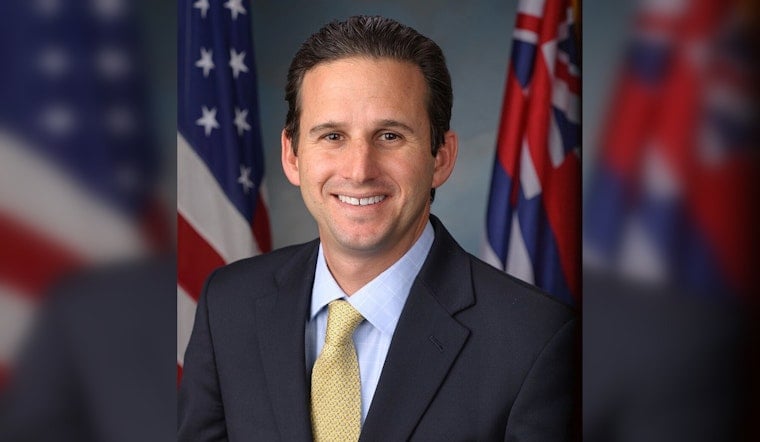
U.S. Sen. Brian Schatz is turning up the heat on museums and universities to send Native ancestral remains and sacred objects back to the communities they came from. In letters dated June 8, 2026, the Hawaii Democrat told 15 institutions that Indigenous people "have waited long enough" and pressed them for concrete timelines. The move sharpens federal scrutiny on collections that critics say were taken and cataloged without consent.
The letters, which are available on his Senate website, asked each institution to update its compliance with the Native American Graves Protection and Repatriation Act, explain why NAGPRA-eligible items remain in their possession, and describe any barriers to repatriation. Schatz requested status updates, counts of Notices of Inventory Completion and completed returns, and asked recipients to reply "as soon as possible or within 30 calendar days," according to Schatz's office.
The letters single out 15 museums and university collections, from the Ohio History Connection and the Illinois State Museum to Harvard, UC Berkeley, Indiana University and the Milwaukee Public Museum, and ask for details on timelines and disposition plans, per Maui Now.
What Schatz Wants Answered
Schatz's follow-up letters lay out a pointed checklist for each recipient: how many notices have been filed with National NAGPRA, how many ancestors and items have actually been returned, whether recent rule changes have helped or hindered repatriation, and what internal staffing or policy barriers remain. The letters also probe practices such as when institutions apply the "preponderance of the evidence" standard and the role of any dedicated NAGPRA office or committee, again asking for a written reply within 30 days as the committee presses for clarity.
New Rules Shift the Burden
Federal updates to the NAGPRA regulations that took effect in January 2024 tightened requirements for consultation, eliminated the broad "culturally unidentifiable" label, and established a formal "duty of care" for institutions that continue to hold ancestors or sacred objects. The revised rules also set a timetable for institutions to update inventories, consult with tribes, and obtain consent before exhibition or research involving sensitive materials, according to the National NAGPRA Program.
Museums Face Pressure and Scrutiny
Investigative reporting has shown that a relatively small set of institutions holds a disproportionate share of unrepatriated remains, and some museums have moved to pause displays or speed up reviews in response to the rule changes and public scrutiny. Reporting by ProPublica found that roughly 10 institutions account for about half of the remains identified in federal data, a concentration that has drawn particular focus from lawmakers and tribal advocates.
Hawaii's Recent Returns Show the Process Works
Hawaiian leaders and the Office of Hawaiian Affairs have spent years pursuing repatriations abroad. An OHA delegation brought home 58 iwi kūpuna from European museums in 2022, an effort officials say illustrates a model of negotiated returns paired with local ceremony. The Bremen handover and other international repatriations are cited by local advocates as evidence that returns can be handled respectfully and promptly when institutions cooperate, according to the Office of Hawaiian Affairs.
Legal Obligations and Consequences
NAGPRA carries both civil and criminal provisions. Museums that fail to comply may be assessed civil penalties by the Department of the Interior, and knowingly trafficking in ancestors or sacred items can trigger criminal charges. The National Park Service's enforcement guidance lays out the types of failures that can lead to allegations and explains that each missed deadline or failure to consult can constitute a separate violation, according to the National Park Service.
Schatz's letters set a short window for replies and signal that the Senate Committee on Indian Affairs intends to keep this issue on its docket. Institutions that point to inventory work already underway say they are engaged in the process, while advocates argue that quicker returns are overdue. Whether the follow-ups lead to accelerated repatriations, enforcement action, or additional oversight will depend on how the targeted institutions respond.





