

























































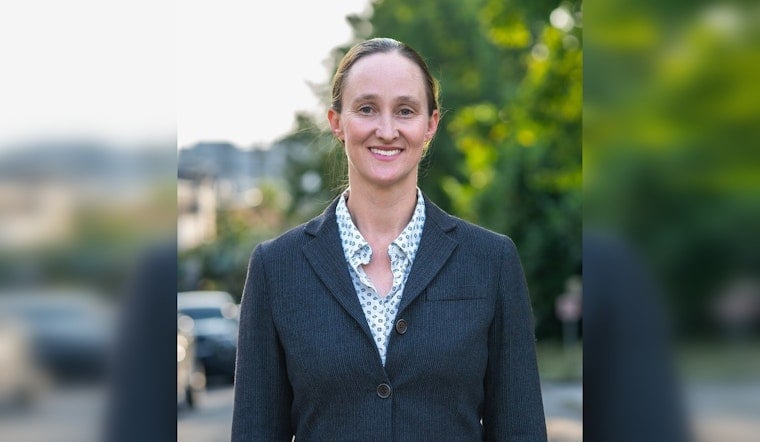
On June 18, 2026, Seattle Mayor Katie Wilson rolled out a targeted crackdown on street crime in Little Saigon, zeroing in on open-air drug use, stolen-goods vending and public disorder around 12th Avenue South and South Jackson Street and nearby blocks in North Beacon Hill. City officials said the plan pairs stepped-up patrols with outreach and treatment funding, with repeat offenders routed either to jail booking or into diversion programs.
As reported by FOX 13 Seattle, Wilson declared, “We will no longer tolerate open-air drug sale and use and vending stolen goods,” naming 12th & Jackson as the focal point for the effort. The mayor’s office told the station the administration will expand police staffing in the area and contact people engaged in illegal activity to spell out that the behavior is no longer tolerated. Some local merchants welcomed the move as overdue but warned that a quick surge will not be enough; one business owner asked, “Why we pay so much tax to live in unsafe cities?” according to the station.
Community Plans And Longstanding Concerns
Neighborhood groups and small-business coalitions have been calling for help for more than a year, arguing that the visible drug market and stolen-goods trade have worn down workers and residents. Community leaders released a 15-point safety plan in 2025 that pushed for more patrols, sidewalk fencing and service hubs around 12th and Jackson. That plan, and its twin demands for both enforcement and services, was detailed by KIRO 7, and local coverage has repeatedly described the corner as a persistent hotspot for drug activity and stolen-goods markets. The sustained pressure from merchants and nonprofit groups helps explain why the mayor singled out the corridor in this latest announcement.
Enforcement Paired With Diversion And Services
The new strategy will boost police presence at transit stops and on sidewalks, and officers will either book repeat offenders into jail or refer them to the Law Enforcement Assisted Diversion program when that is deemed appropriate, according to FOX 13 Seattle. The city also set aside more than $1 million in one-time funding for neighborhood outreach, mobile overdose prevention and service navigation, though Wilson cautioned that the shelter and permanent supportive-housing system is “operating at capacity.”
The LEAD model the city plans to lean on is a pre-booking diversion program that connects eligible people with case managers and services instead of traditional prosecution, per King County LEAD. In theory, that means people repeatedly arrested around 12th and Jackson could see more contact with caseworkers and less time cycling in and out of courtrooms.
Merchants Cautiously Hopeful
Business owners said years of visible drug use and fencing of stolen property have taken a toll and urged the city to follow the announcement with sustained staffing, cleanups and consistent follow-through. Recent local reporting, including Hoodline’s account of recent violence and a city council public-safety hearing chronicled by Westside Seattle, shows the neighborhood has experienced spikes in violent incidents and a sharp rise in drug-related calls. Community advocates said enforcement on its own will not solve the problem and pressed for long-term investments in housing and treatment so the activity is not just pushed a few blocks away.
What To Watch Next
Wilson framed the move as a mix of accountability and care, but the real test will be whether the city can turn the stepped-up patrols into lasting improvements rather than a temporary sweep that shifts activity into adjacent streets. Officials say the balance will depend on enforcement outcomes, LEAD referrals and whether the city can find additional shelter or housing capacity. LEAD’s public materials note that diversion is intended to reduce re-arrest and connect people to services, a goal that will be closely watched as the crackdown unfolds.
City leaders and neighborhood groups have set a short timeline to report early results, and upcoming council budget debates will determine whether the more than $1 million in one-time funding becomes a stable investment or just a brief experiment.





.jpg)