

























































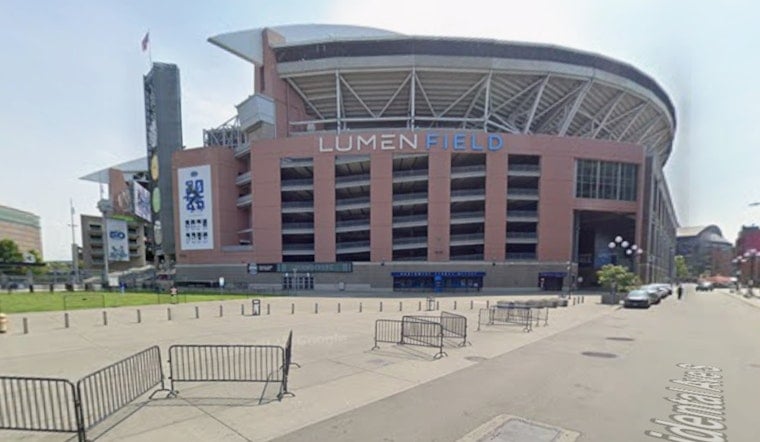
Seattle is turning the 2026 FIFA World Cup into a home game for local families, handing out more than 1,400 free tickets to young residents and their caregivers. The seats come bundled with practical support like transit help and food vouchers, and the city is leaning on neighborhood groups so community leaders, not scalpers, decide who gets in.
According to a City of Seattle media advisory, Mayor Katie B. Wilson and the Seattle FIFA World Cup 2026™ Local Organizing Committee rolled out the plan at a press event hosted by the Somali Health Board. The advisory describes a goal of sending roughly 1,400 young people to World Cup matches and frames the effort as a push for youth access and inclusion. Instead of a public ticket sale, organizers say distribution will run through local partners that already work with kids and families.
Transit, partners and match-day logistics
King County Metro plans to run Match Day shuttles and an expanded waterfront shuttle, with fares and service subsidized by SeattleFWC26 and its partners to get ticketed youth and caregivers to and from game sites. That release, along with local organizing materials, names major private backers including Microsoft, Amazon, Boeing and Alaska Airlines, which are helping underwrite transit and celebration programming.
SeattleFWC26 and Seattle Center describe a citywide slate of free fan experiences, using a distributed model of celebrations instead of just one big party zone. They say watch parties, family programming and other free events are planned in neighborhoods across Seattle during the tournament, designed to spread the action beyond the stadium footprint while still tying into the matches inside it.
Community partners and who gets tickets
City leaders say more than 40 community organizations, ranging from after-school programs to cultural centers, will be responsible for getting tickets into the hands of youth and caregivers. The effort also includes food vouchers and transportation assistance for about 25% of participants, depending on where they live, as reported by KING 5.
The announcement at the Somali Health Board highlighted the role of local groups that already run youth soccer and community health programming in South Seattle. Leaders at the event cast the initiative as a chance to put young people “on the world stage” and to make sure the World Cup’s benefits reach neighborhoods across the city, not just fans who can afford high-demand tickets.
Organizers say it is about long-term access
SeattleFWC26 is pitching the free ticket program as part of a broader legacy effort to expand access to both playing and watching the sport citywide. SeattleFWC26 CEO Peter Tomozawa has talked about using the tournament to build community programming and lasting infrastructure for youth soccer, according to SeattleFWC26.
City and county officials say public and private partners helped pay for shuttles and celebration events so that kids who might otherwise miss out can still be part of the World Cup moment, a point emphasized in King County materials cited by transit planners.





