

























































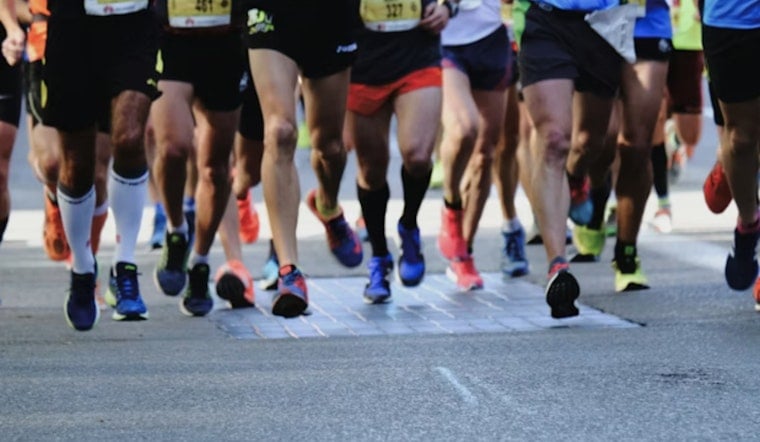
The California International Marathon is about to get a lot more crowded. Starting in 2027, organizers plan to introduce a second start wave, roughly doubling the size of the field and stretching race-day logistics deeper into the late morning and early afternoon. They say the December 2026 edition will stick with the current single-wave setup, with the revamped format kicking in the following year.
According to KCRA, Visit Sacramento and CEO Mike Testa are selling the change as a straight-up economic play. The race typically brings in about 10,000 to 11,000 athletes, and Testa told the station that doubling capacity would “double the economic impact.” The Sacramento Running Association lists current estimates at roughly an $11 million annual boost for the region, along with thousands of hotel room nights, and organizers say those numbers should climb with the two-wave plan.
What Will Change
KCRA reports that race officials intend to keep the familiar start near Folsom and the finish at the California State Capitol, but the clock around those landmarks will shift. Roads are expected to stay closed about 45 minutes to an hour longer, and the course time limit will be extended to at least six hours and 45 minutes so more runners can cross the line and collect medals.
Race directors told the station the goal is to thin out the crowd at key choke points while protecting CIM’s identity as a fast, qualifier-friendly route. In other words, more bodies on the course without turning the event into a traffic jam.
Course, Cutoffs and Why It Matters
The California International Marathon follows a point-to-point, net-downhill route that starts near Folsom Dam and rolls into downtown before ending at the Capitol. The Sacramento Running Association notes that the basic course design has stayed essentially the same for decades, a big part of why the race has a reputation as a place to chase personal records and Boston qualifiers.
SRA event materials also show that the current city permit provides for a six-hour course closure and lays out hotel-night and economic impact figures that local agencies use when planning traffic control, transit shifts and public safety staffing. Any change to wave starts or time limits will have to fit inside updated permit language, which is where the second wave could ripple into everything from bus detours to overtime schedules.
Local Businesses and Neighbors
CIM’s economic footprint is already hard to ignore. Local reporting has pointed out that the annual impact can climb as high as $15 million in especially strong years, and tourism officials say more bibs should translate into fuller hotels and busier restaurants in early December. Recent coverage from CBS Sacramento highlights how the weekend has become a mini high season for downtown businesses that depend on sports tourism.
For residents, the flip side is simple. Longer closures in the morning, heavier transit demand and more out-of-towners rolling luggage through hotel lobbies will all be part of the package as organizers sort out shuttle schedules, staging areas and re-entry windows into key neighborhoods along the route.
What To Watch Next
Organizers say more specifics on registration caps, wave assignments and any revised permit terms will be shared in the coming months. For the latest official information, runners and neighbors are being directed to the Sacramento Running Association and Visit Sacramento.
Race officials and city staff still have to hammer out the exact hours for road closures and transit changes before the two-wave format can go live in 2027. How generous those windows are will help determine whether the promised tourism payoff feels like a win for Sacramento or just a much longer morning commute detour.




