

























































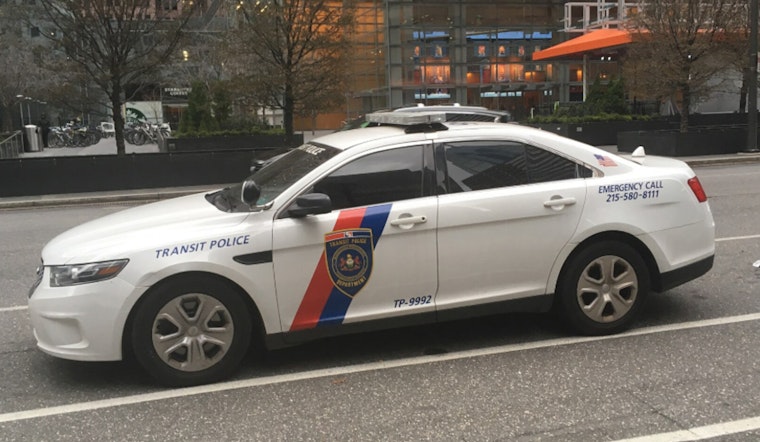
SEPTA transit police signaled Thursday that a walkout during one of Philadelphia’s busiest summers is looking more and more likely, a move that could tangle travel for World Cup fans, the city’s July 4 semiquincentennial events and MLB All‑Star Week. The union representing the force is pushing the transit agency to accept binding arbitration as talks remain stuck, while riders, event planners and city officials quietly brace for whatever comes next.
The Fraternal Order of Transit Police Lodge 109 wants SEPTA to enter binding arbitration and says it is “willing to make substantial concessions and even surrender its right to strike if SEPTA would agree to accept neutral arbitration,” according to 6ABC. Union leaders say their main fights are for pay parity with other SEPTA bargaining units and for stronger recruitment and retention incentives.
SEPTA, for its part, says negotiators are on call around the clock and that the authority received a formal proposal from the union on Thursday as bargaining continues, 6ABC reported. The transit police contract has been expired since March, upping the pressure to get a deal done quickly.
Why This Summer Matters
Philadelphia is set to host six FIFA World Cup matches at Lincoln Financial Field between mid‑June and July 4, and MLB All‑Star Week, which is anchored at Citizens Bank Park in mid‑July, will pull in even more big crowds. Those overlapping spectacles are expected to put heavy demand on SEPTA service and station capacity, according to MLB. Event planners have warned that large, concentrated movements of fans will strain both transit and surface streets on match and event days.
What a Strike Would Mean
Agency officials say regular service would continue even if transit police walked off the job. SEPTA would lean on non‑union supervisors along with mutual aid from the Pennsylvania State Police and local municipal departments to patrol stations, a backup plan the authority has used in past disputes, according to PhillyVoice. Union leaders argue that low pay and staffing shortfalls have already hollowed out the force and that binding arbitration is the clearest path to long‑term parity and stability.
Legal Context
Unlike city police officers, SEPTA’s transit officers are not covered by the municipal arbitration rules that bar strikes, so they retain the legal right to walk out. That wrinkle in state law shapes both sides’ leverage and the agency’s contingency planning, The Philadelphia Inquirer reports. The union lists binding arbitration as a formal legislative and bargaining priority on its website, arguing it would keep future contract stalemates from turning into work stoppages, FOP Lodge 109 notes.
What’s Next
Both sides say they are still at the table and intend to keep talking. With World Cup matches and Independence Day events just days away, and All‑Star Week not far behind, a deal or a blowup could arrive fast. For now, riders heading to major events are being urged to keep a close eye on official SEPTA alerts and event travel guidance as negotiations play out in the background.





