

























































Anthropic, the San Francisco artificial intelligence lab riding a massive valuation wave, is now facing something a lot less glamorous: a proposed federal class action accusing it of quietly shortchanging its priciest Claude Max customers.
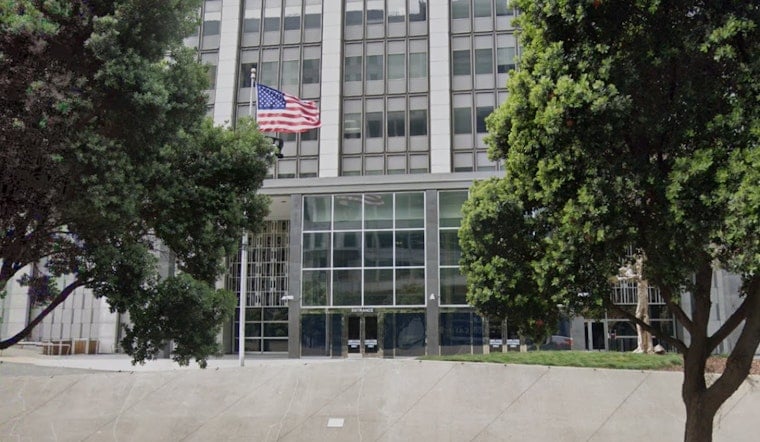
The lawsuit, filed yesterday in the U.S. District Court for the Northern District of California, claims the company’s premium Claude Max subscriptions — the $100 “Max 5x” tier and the $200 “Max 20x” tier — deliver far less usage than advertised. According to the complaint, subscribers who thought they were getting five or twenty times the access of the standard Pro plan instead ran into opaque sessions and weekly caps that left heavy users cut off or nudged into buying extra credits. The suit is led by a Washington, D.C. subscriber who says he relied on Max for coding work and is now seeking refunds and class certification on behalf of a nationwide class.
According to the complaint posted by the plaintiff’s counsel, subscriber Karl Kahn says he upgraded from Claude Pro to Max 5x and then to Max 20x, only to repeatedly hit hard usage ceilings that, he argues, made the advertised multipliers meaningless, per the filing. The lawsuit asks a federal judge to certify a nationwide class and to award restitution and damages, as reported by Engadget.
What the complaint says
The suit takes particular aim at the “5x” and “20x” branding. Kahn alleges that in reality, Max 20x delivers roughly six to eight times the usage of the Pro tier, not twenty, and that Max 5x delivers only about 3.5 times Pro usage instead of five, citing internal emails and marketing that he says misled buyers, according to TechTimes. His filing also describes a single five-hour session that allegedly chewed through about 15% of a weekly Max allotment and claims Anthropic failed to provide a clear, auditable token-accounting dashboard for customers to verify what they were consuming.
How Claude's limits have changed
The lawsuit lands amid shifting ground for Anthropic’s usage rules. The company introduced weekly ceilings and rolling five-hour session limits after a burst of heavy automated usage in mid-2025. Then, on Monday — the same day the complaint was filed — Anthropic moved programmatic “agent” workloads onto a separate metered credit pool, according to Decrypt. Plaintiffs argue those changes were not clearly disclosed to subscribers and that the math behind a “5x” or “20x” label depends on an undefined baseline and opaque token accounting that ordinary users cannot reasonably parse.
Business timing and export controls
The timing is awkward for Anthropic. The company recently closed a huge funding round that pushed its private valuation into the high hundreds of billions of dollars and has reportedly filed confidentially for an IPO, developments that could raise the stakes of any litigation, according to AP News and Fortune. Anthropic has declined to comment on the Max-plan lawsuit. At the same time, the company is dealing with an export-control directive that forced it to disable its most powerful models for all users after the government barred foreign-national access, per Forbes.
Why this could matter
Legal experts say that if the case survives early dismissal motions or ends in a settlement, it could pressure AI vendors to spell out token budgets more plainly and offer more transparent usage dashboards, a shift that would ripple through the many developers and power users who rely on subscription tiers, according to Law360. For now, heavy users who care about predictable billing are left to closely monitor their own consumption, switch to pay-as-you-go API billing, or bake cost limits and safeguards directly into their agent workflows.
Legal notes
The complaint brings claims under the Consumers Legal Remedies Act, California's False Advertising Law, negligent misrepresentation, and breach of contract, and it asks the court for class certification, restitution, damages, and attorneys' fees, per the filing. The case is titled Kahn v. Anthropic, PBC, filed Monday in the U.S. District Court for the Northern District of California. The court has not yet set any hearings on class certification.



