

























































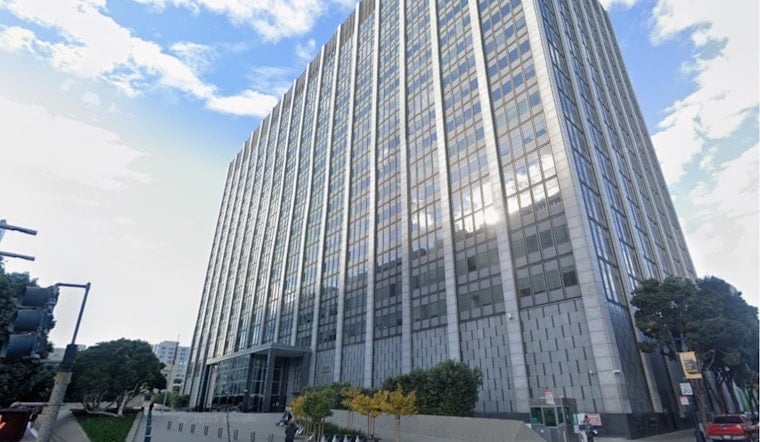
Workday's shiny hiring software is about to get a very public stress test in federal court.
A San Francisco judge has ruled that the company must defend itself in a sweeping class-action lawsuit accusing its AI-powered recruiting tools of systematically shutting out job seekers based on race, age, and disability. The case could help answer a question that has quietly haunted HR tech for years: if an algorithm screens you out, is the software vendor on the hook, or just the employer that licensed the tool?
Tech and legal watchers say the ruling may force companies to rethink how they build, audit, and sell applicant-tracking systems, and how closely they scrutinize the automated filters that decide who even gets a human look.
The case, Mobley v. Workday, kicked off in February 2023 when lead plaintiff Derek Mobley sued after a long, frustrating run of online job hunting. Mobley says he is Black, over 40, and lives with anxiety and depression. According to the complaint, he applied to more than 100 jobs through systems that used Workday and was repeatedly rejected. The lawsuit was later updated to add three more named plaintiffs and to assert claims under Title VII, the Americans with Disabilities Act, and the Age Discrimination in Employment Act, according to court filings.
On June 22, U.S. District Judge Rita F. Lin largely refused to toss the case. Her order kept alive key claims under California's Fair Employment and Housing Act and federal disability law and rejected Workday's argument that California law should not apply to screening outcomes affecting applicants or jobs outside the state. The ruling lands at a time when automated screening is almost standard issue: more than 80% of U.S. employers now use some form of AI in hiring, according to Reuters.
What the lawsuit alleges
The plaintiffs are not claiming the software uses explicit race or age fields. Instead, they argue that Workday's tools lean on so-called proxy indicators that track closely with protected traits and end up having a disparate impact on certain groups.
According to the complaint, those proxies can include things like particular school affiliations, very long job tenures, or gaps in employment history. Plaintiffs say those criteria are more likely to screen out Black candidates, older workers, and people with disabilities. Court papers and coverage describe allegations of automated rejections that sometimes arrived within minutes of an application, along with statistical patterns that plaintiffs say look a lot like algorithmic filtering, as outlined by Bloomberg Law.
Workday's response
Workday is pushing back hard. The company has called the claims false and has told reporters that its AI recruiting tools do not actually make hiring decisions. Instead, it says, the products are built to operate with human oversight, and Workday insists it subjects them to rigorous testing through its Responsible AI program. That is how the company has characterized its position in reporting on the case and in statements attributed to Workday executives, according to Computerworld/CIO.
In other words, Workday's message is that the software is a tool, not the boss, and that the real decisions still rest with humans who use the system.
Why it matters for employers and vendors
Legal analysts say Judge Lin's ruling sends a pointed warning to vendors that design and deploy screening systems from inside California. If the plaintiffs ultimately prove their claims, it could open the door for more challenges aimed not only at employers but also at the companies that build the tech behind the hiring process.
That possibility is already prompting talk of tighter scrutiny. Regulators and corporate buyers may start demanding more rigorous testing, clearer documentation, and stricter contract terms that spell out how automated tools are used and monitored.
A law firm analysis notes that the court found plaintiffs had plausibly alleged a California nexus simply because Workday is headquartered in the state. That reasoning could broaden the reach of the Fair Employment and Housing Act when the software at issue is developed or controlled from California, according to Duane Morris.
What's next
The court's recent orders gave the plaintiffs permission to further amend their pleadings and kept multiple federal and state disparate-impact claims alive, clearing the path for discovery and more legal jousting in the Northern District of California. The case remains active on the docket and is headed toward the unglamorous but crucial phase of fact-gathering and expert analysis over whether the challenged filters produced unlawful outcomes, according to court filings.
However it ends, Mobley v. Workday is already turning up the heat on AI in hiring. The dispute is likely to fuel louder calls for independent bias audits, sharper vendor obligations, and contract language that guarantees real human review of AI-driven rejections. For now, employers using automated screening tools would be wise to inventory what they rely on, document who is watching the systems, and be ready to show how their filters are tested and corrected while this closely watched case moves forward.


