

























































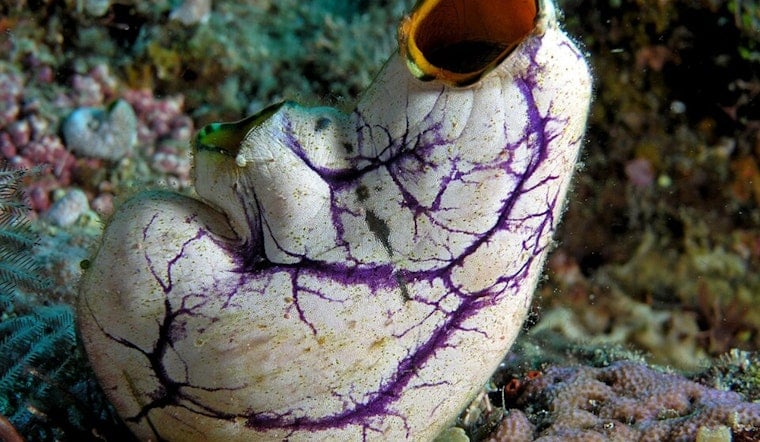
San Diego researchers are at the center of a study that sounds like sci-fi: short bursts of electricity delivered to sea squirts produced dramatic, long-lasting rejuvenation in their colonies. The tiny marine chordates, long used to study stem cells, showed clearer circulation, faster growth, increased fertility and a striking molecular "reboot" that researchers say mirrors the gene response people see after hard exercise.
Lab tests and the numbers
According to UC San Diego Today, the team used a pacemaker-like device to deliver short, pulsed electrical currents. After testing different regimens, they landed on a protocol of three five-minute bursts. Because sea squirts share roughly 70% of their genetic material with humans, they serve as especially useful models for stem-cell studies.
In the key survival test, roughly 75% of the treated sea squirts were alive and healthy a year after treatment, compared with fewer than 20% of the untreated controls. The full results are detailed in PNAS.
How the experiment began
Debashis Sahoo, PhD, told UC San Diego Today that electricity triggers a reboot in sea squirts. The project itself started in 2020 as an at-home curiosity, when Stanford researchers say Jos Domen initially rigged a pacemaker for a teenage coauthor’s science project and then refined the technique in the lab.
Why scientists are cautious
The team reports that the electrical pulse sets off a two-phase reboot and rebound of gene activity that resembles the transient stress-then-repair signature seen after intense exercise. At the colony level, that appears to line up neatly with the healthier circulation, growth and fertility the scientists observed.
But they are not pretending this turns sea squirts into instant road maps for human immortality. As reported by Phys.org, researchers stress that any leap from sea squirts to mammals remains speculative, and say more experiments are needed to pin down both mechanisms and safety long before anyone talks seriously about human therapies.
Next steps and local stakes
Funding for the work came from the National Institute on Aging, UC San Diego’s Wu Tsai Human Performance Alliance and the Chan Zuckerberg Biohub, among others, according to the Stanford Woods Institute. Local reporting by The San Diego Union-Tribune highlights UC San Diego’s role on the team and notes that researchers are already planning follow-up studies to see whether targeted bioelectric approaches could boost coral resilience or help human stem cells recover.





