

























































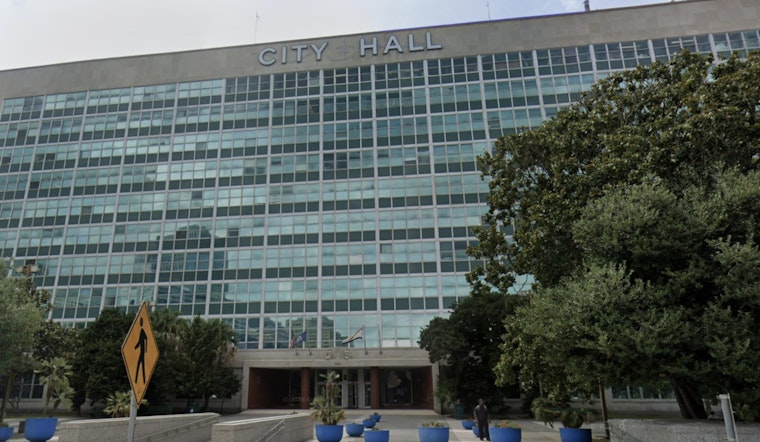
Hundreds of Gordon Plaza residents, tired of waiting on promises and paperwork, turned to federal court on Monday to try to force New Orleans officials to pay a roughly $75.3 million judgment tied to homes built atop a long-contaminated landfill. The new filing comes from people who say they were assured relocation and compensation, yet have watched their houses come down and a city-backed solar project move ahead while their checks remain theoretical.
According to NOLA.com, the complaint, filed by Residents of Gordon Plaza and their attorneys, asks a federal judge to order the City of New Orleans and the Orleans Parish School Board to satisfy the state-court award. The suit lists roughly 5,000 current and former residents and seeks both enforcement of the judgment and relocation funding. Lead attorney Suzette Bagneris told the outlet she was “at a loss” for when officials would finally make the payouts a real budget priority instead of a talking point.
Court Rulings That Set the Stage
State judges entered the $75.3 million award in 2022 after finding city agencies liable for emotional-distress and property damages, and the judgment was later affirmed on appeal. Court documents lay out the procedural trail that left residents with a fully confirmed award but no clear mechanism to force an immediate payout from City Hall.
A Toxic Legacy Beneath the Neighborhood
Gordon Plaza sits on part of the Agriculture Street Landfill, a roughly 95-acre municipal dump that the EPA placed on the Superfund National Priorities List in 1994. EPA records track decades of cleanup efforts at the site, while appeal filings note testing that found the soil contained "more than one hundred forty toxic and hazardous materials", many of them known or suspected carcinogens. For residents, that toxic list is not an abstract data point so much as a daily reminder of what sits beneath their foundations.
City Promises, Buyouts and Demolition
The city has earmarked $35 million in its capital plan for buyouts, but residents and their lawyers say both the dollar figure and the timeline fall short of what families need to actually move away. Last fall, about 65 homes were demolished to clear space for a planned community solar farm, a reuse supporters argue will help remediate the land and deliver renewable energy. Many residents, though, see those excavators as proof that city projects can move quickly when officials want them to, and that their payouts could too. demolition for the community solar farm and the mayor's announcement were documented as part of that rollout.
Legal Hurdles for Enforcement
Even with the judgment entered and upheld, Louisiana law makes collecting on it a steep climb. Courts generally cannot seize a municipality's property to satisfy judgments, which means payment for residents typically depends on a City Council appropriation, not a sheriff's sale. The Lens has reported that constitutional and budget constraints are central to why residents' attorneys say they are now pushing the fight into federal court, hoping a different bench will be more effective at nudging local government to act.
Where Elected Officials Stand
City and federal officials have framed the solar farm and ongoing cleanup work as steps toward environmental justice, and local leaders including Congressman Troy Carter joined the demolition announcement to tout remediation dollars and promised future benefits. Still, residents say all the big numbers on paper have not turned into paid judgments or guaranteed relocation. The new federal filing is designed to put political and legal pressure on policymakers to convert years of pledges into actual cash and concrete moves for Gordon Plaza families. the mayor's event and officials' remarks captured how leaders are trying to sell the project, even as the checks remain unsigned.
"It's heartbreaking," resident Wendy White Davis told NOLA.com, describing what it feels like to watch neighbors' houses come down while the hard-fought award sits unpaid. Plaintiffs say they will keep pressing the federal court for remedies that state rulings and city budgets have not yet produced, and lawyers argue the case could force a broader reckoning over how local governments handle longstanding environmental liabilities.





