

























































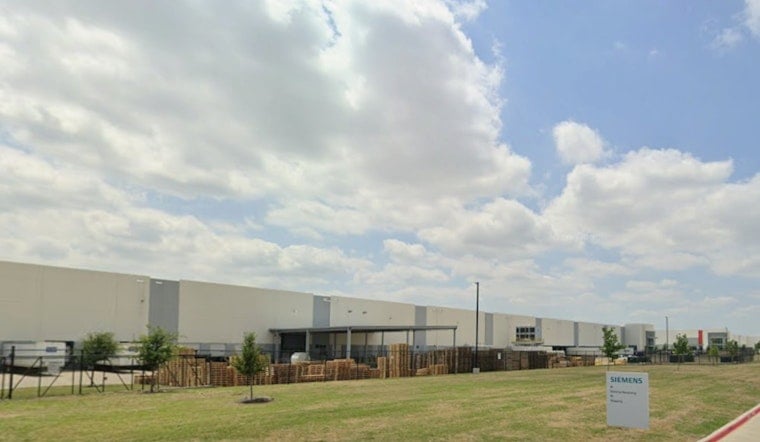
Fort Worth is scrambling to keep its talent pipeline from lagging behind its gleaming new factory floor as Siemens' high‑tech South Fort Worth plant keeps adding workers. The facility, which opened in 2025 to build electrical switchgear for data centers, has already created hundreds of jobs that demand technicians who can handle automation and programmable controls. City leaders, major employers, and local educators met this week to press for faster, more direct tracks from classrooms and short courses into those higher‑paying manufacturing roles.
Inside the Siemens Hub And What It Builds
The Siemens factory at 7200 Harris Legacy Drive is a roughly 500,000‑square‑foot, $190 million operation producing low‑voltage switchgear and other electrical infrastructure, according to Siemens. City records tied to the tax‑abatement agreement spell out specific investment and hiring benchmarks, including minimum building size and wage thresholds that Siemens must hit to receive the full incentive, as detailed in a supporting staff report from the city. City of Fort Worth staff report.
Hiring Surge And A Fast Ramp Up
Early staffing numbers came in big. Local and trade coverage put initial hiring in the hundreds, with roughly 480 people on the payroll soon after the ribbon‑cutting and projections that the plant would approach 800 jobs by 2026, according to KERA. Fort Worth reporting says Siemens has kept hiring at about 35 people a month, that the facility now runs two shifts, and that headcount has climbed past 1,000, all at a heavily automated site that was expected to grow more slowly. Fort Worth Report.
Tax Breaks, Public Costs And Payoff Math
To land the project in the first place, the city signed off on a 10‑year tax abatement that can cover up to 70% of incremental real and business personal property taxes in qualifying years. City financial notes project that the deal will reduce about $5.68 million in incremental property‑tax revenue over the term, but still generate net new tax receipts over time. The staff memo pegs the break‑even point at roughly 6.5 years, a figure city officials used to weigh long‑term gains against the short‑run revenue hit. City of Fort Worth staff report.
Colleges, Credentials And The Training Pipeline
At a recent Texas Industry Workforce Pathways gathering, business and education leaders homed in on employer‑led training, apprenticeships, and short, stackable credentials as the quickest on‑ramp to the plant’s technician jobs. Tarrant County College already offers manufacturing certificates and new microcredential programs built to move people quickly into industrial technician and CNC roles, according to the college, and local reporting has highlighted Siemens' interest in teaming with colleges on on‑the‑job training models. Tarrant County College; Axios. The Fort Worth Chamber has been pushing employer‑driven registered apprenticeships and short‑course models as the most realistic way to turn headline‑grabbing hiring promises into a steady stream of trained local workers. Fort Worth Chamber.
What Leaders Say Is At Stake
Business and city officials say the near‑term test is brutally simple: do the big plans translate into paid internships, registered apprenticeships, and credit‑bearing short courses that end in real jobs at the Siemens plant. If those partnerships scale up, Fort Worth locks in a new tier of higher‑paying manufacturing work for residents. If they stall, employers are more likely to import talent from outside the city, and the local payoff from a marquee project could wind up smaller than advertised.





