

























































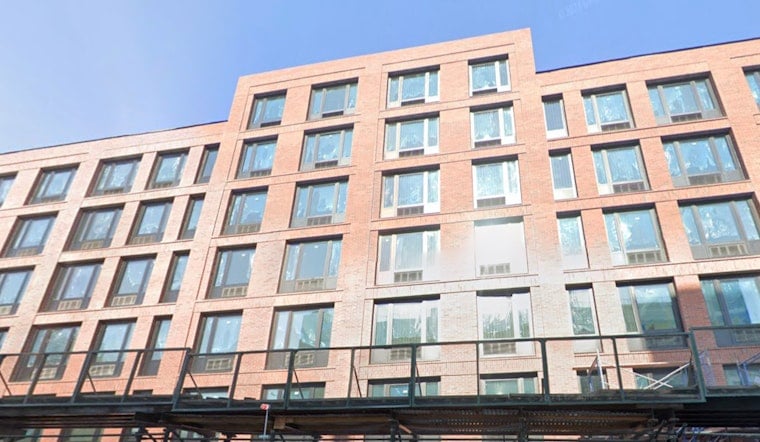
Six freshly finished buildings are quietly transforming corners of Crown Heights, adding about 230 new apartments and condominiums on blocks not far from Prospect Park. The projects replace surface parking lots, vacant pieces of land and small commercial holdouts with mid-rise housing that folds in new retail, parking and, in one case, a health clinic on site. Some buildings are already welcoming tenants, others are still selling or leasing, and for longtime neighbors the shift means more foot traffic, denser streets and a fresh batch of amenities.
According to New York YIMBY, the six projects together deliver a combined 230 rental and condominium units across several nearby blocks. The outlet pulls together the roster of developers, architects and building features that help define this new wave of housing.
Key Projects And What They Add
The Eve, a seven-story rental at 827 Sterling Place, is one of the larger entries in the bunch and was built as an all-electric structure. CityRealty notes that the Haussmann Development and Kriss Capital project, designed by Issac & Stern Architects, holds 76 apartments, including income-targeted units, and offers a gym, rooftop terrace and electric-vehicle charging in the garage.
HELP Park Place at 575 Park Place is aimed squarely at affordability and supportive housing. HELP Development Corporation’s project materials state that the five-story building opened in 2025 with 44 apartments, including eight supportive units reserved for formerly homeless families, and an 8,000-square-foot One Brooklyn Health primary care clinic on the ground floor, using a mix of low-income housing tax credits and state Vital Brooklyn funding.
At Grand Avenue and Prospect Place, 630 Grand Avenue is a seven-story condominium developed by the Loketch Group and designed by ND Architecture & Design. CityRealty reports that the building brings 32 condo units to market, with one- to three-bedroom layouts, penthouses and private outdoor space for every apartment, along with a shared rooftop, courtyard and fitness room.
Another corner project, listed as both 645 Park Place and 711 Franklin Avenue, adds an eight-story block of rentals and neighborhood-serving space. New York YIMBY notes that the building spans roughly 47,000 square feet, provides dozens of rental homes and includes a small parking garage and a south-facing roof terrace, a combination that speaks to the ongoing push for outdoor space and parking in parts of Crown Heights.
Smaller condo buildings are joining the mix too. Public listings compiled on real estate sites show units at 755 Washington Avenue changing hands this spring after the building’s delivery, a sign that some of the new condominiums are already cycling into resale and full-time occupancy.
On and around the Franklin Avenue corridor, permits and filings point to a string of compact infill projects, including one at 627 Franklin Avenue, that add only a handful of rentals at a time while filling in previously underused lots. Issac & Stern’s architectural work and related permit records track several such filings in recent years, reflecting a steady flow of small and mid-size development across the neighborhood.
What This Means For Crown Heights
Taken together, the six recent completions layer in a mix of unit sizes and ground-floor services that city planners and housing watchers track closely. Data from the Furman Center shows that Central Brooklyn has absorbed thousands of new homes in the past several years, and these latest buildings extend that trend while keeping debates over affordability and community benefits very much alive.
Developers point to projects like HELP Park Place, which combines housing, an on-site clinic and supportive services, as examples of new construction addressing public-service needs. At the same time, market-rate rentals and condos are clearly positioned to capture demand for proximity to Prospect Park and transit. For residents already on the block, the ongoing rollout of these buildings means more neighbors and more customers for local businesses, along with familiar questions about how the new units are priced and who ultimately gets access to Crown Heights’ growing housing stock.


