

























































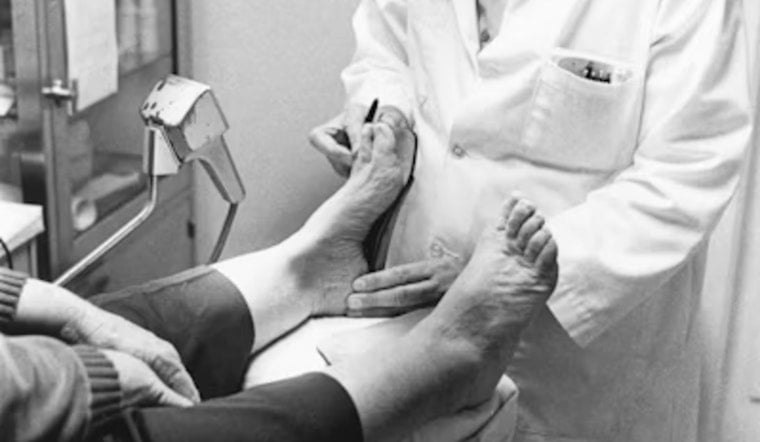
In a corner of South Los Angeles better known for health inequities than medical miracles, MLK Community Healthcare has quietly pulled off something that sounds almost impossible: among its highest-risk diabetes patients, diabetes-related amputations dropped to zero over four years. The hospital credits an old-school idea dressed up in modern tools - relentless, local, coordinated care that catches trouble long before it turns into a life-changing surgery.
Four-Year Analysis Finds Zero Amputations
An independent four-year review found that by the program’s fourth year, none of the patients in MLK’s intensive diabetes-management track needed an amputation, and roughly 81% saw their blood sugar levels improve, while 71% brought their blood pressure under control. The program, which began enrolling in October 2021, zeroed in on people with type 1 diabetes, gestational diabetes, or an A1c of 9.0% or higher, according to the Los Angeles Times.
Wraparound Care, Not New Drugs
Instead of pinning its hopes on the latest blockbuster drug, MLK built a dense safety net around patients. Clinical pharmacists, diabetes educators, community health workers, and a nurse care manager tag-team everything from medication tweaks to wound checks to lining up home supports between visits. Patients get weekly produce deliveries and bimonthly diabetic-friendly cooking classes, and the clinic layers in telehealth and remote foot-monitoring tools to catch ulcers while they are still small problems, not emergency surgeries waiting to happen. "In communities like South LA, the burden of diabetes is shaped not only by personal health behaviors, but also by access," Dr. Jorge Reyno, MLK's senior vice president for population health, said, according to MLK Community Healthcare.
South L.A.'s Health Gap
MLK serves a swath of South L.A. that includes about 1.3 million residents, more than 90% of whom are Black or Latino, with nearly 70% covered by Medi-Cal, Medicare, or no insurance at all. Medi-Cal’s chronically low payment rates help fuel a shortfall of about 1,500 full-time physicians in the area, and last year the hospital’s emergency department recorded roughly 123,000 visits, with many patients using the ER as their de facto primary care clinic. Those numbers underline why intensive, hyper-local diabetes management has become a lifeline in South L.A., according to the Los Angeles Times.
Measured Gains
The independent analysis, reviewed by the UCLA Center for Health Policy Research, documented more than just limb-saving outcomes. Appointment compliance climbed from about 50% at the start of the program to 84%. Among patients enrolled for at least nine months, control of blood sugar and blood pressure rose to about 85% and 74% respectively. The intensive-management group included roughly 1,165 high-risk patients, and by Year 4 its performance outpaced national Medicaid and LA Care benchmarks, according to MLK Community Healthcare.
Funding And The Bigger Picture
Hospital leaders say the model only scaled after a one-time philanthropic jolt, including a $2 million gift from the Good Hope Medical Foundation that allowed MLK to hire staff and stand up the community supports that wrap around clinic visits. That relatively modest sum sits in stark contrast with a national price tag where direct medical costs for diabetes hit an estimated $306.6 billion in 2022, according to an American Diabetes Association analysis.
MLK officials argue their results show what can happen when safety-net hospitals get targeted resources and enough time to actually build relationships with patients, instead of just treating crises. Whether the program can be sustained and replicated will hinge on ongoing philanthropy and policy shifts that make it financially realistic for clinicians to practice in South L.A. For now, though, the numbers offer something rare in American health care: a preventable form of limb loss pushed to near zero in a community that has long been on the wrong side of the statistics.



