

























































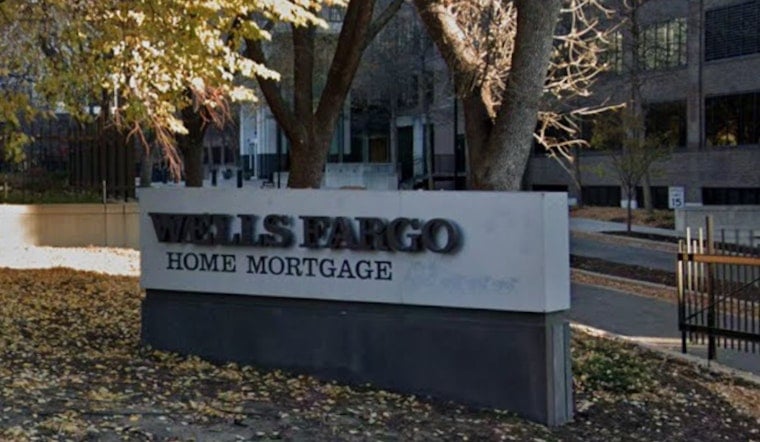
One of South Minneapolis' biggest empty office complexes is lining up for a serious second act. The 25-acre former Wells Fargo Home Mortgage campus in the West Phillips neighborhood is being positioned for a sweeping makeover into a health- and education-focused mixed-use campus that would layer in housing, retail and a school. The site’s broad footprint, easily spotted from Interstate 35W, makes it one of the most significant redevelopment opportunities in South Minneapolis, and neighbors and city planners say the transformation could reshape the corridor’s long-term development prospects.
As reported by the Minneapolis/St. Paul Business Journal, the campus holds nearly 1 million square feet of office space and about 4,000 parking spaces, and the total redevelopment tab could top $250 million. The current concept would convert existing buildings and surface lots into a campus anchored by health and education uses, with new housing and street-level retail filling in the gaps. Specifics such as final plans, phasing and a construction timeline are still in flux as formal filings are prepared.
Where The Campus Sits And Why It Matters
Wells Fargo first signaled in 2023 that it would consolidate operations and put the south Minneapolis Home Mortgage campus on the market, according to the Star Tribune. To make the property more attractive to potential buyers, the bank later applied for historic designation, a move reported in 2024 by Axios Twin Cities. Whether that designation is ultimately approved will play a big role in determining what kinds of reuse are possible and how the deal is financed.
Historic Tax Credits Could Change The Math
Large adaptive-reuse projects frequently lean on a mix of federal and state rehabilitation tax credits. Minnesota's program can provide a 20% state credit that pairs with the federal historic rehabilitation credit, according to the Minnesota Historical Society. State analyses show those incentives often turn borderline conversion projects into financially viable ones. If the former Wells Fargo campus qualifies, historic credits could help bridge the gap between costly renovations and what developers can earn from new housing, retail and community-oriented uses.
Next Steps And What To Watch
Before any construction crews show up, a buyer will have to submit formal plans, secure city approvals and win neighborhood support, steps the Business Journal reports are still ahead. Over the coming months, residents can expect to see Minneapolis planning filings, applications for historic certification and developer-led community meetings start to surface. For the neighborhood, the difference between a vacant bank campus and a busy mixed-use hub could ultimately hinge on how those approvals shake out and how the financing stack comes together.





