

























































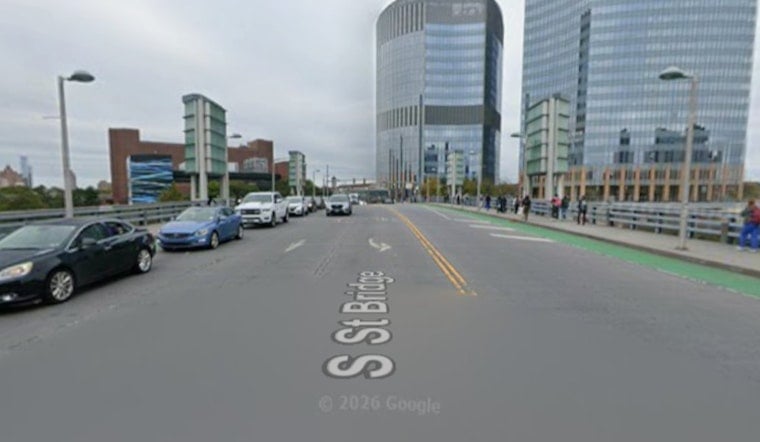
When the rebuilt South Street Bridge swung back into action on Nov. 6, 2010, it was billed as the project that would finally stitch West Philadelphia and South Philadelphia back together, with wider sidewalks, painted bike lanes and a safer route over the Schuylkill. Fifteen years later the span still sees heavy daily foot and bike traffic, even if some of its flashier design touches never quite became part of the everyday Philly skyline.
Reopened after years of work
The bridge shut down in December 2008 for structural work, cutting a key link between University City and Center City. The roughly 1,800-foot span reopened to the public on Nov. 6, 2010, after nearly two years of reconstruction. The $67 million job wrapped up ahead of schedule and on budget, and drew Mayor Michael Nutter for the ribbon-cutting. "This is a bridge to somewhere and that somewhere is Philadelphia," he said, as reported by 6abc.
Design took decades
The final look did not appear overnight. Planners first pushed the overhaul into formal design in the mid-1990s, and the version that finally got built reflected years of neighborhood debate and shifting funding plans. Federal stimulus and other dollars ultimately covered most of the cost, with Washington picking up roughly 80 percent of the tab, the state about 15 percent and the city paying the remainder, according to WHYY.
Built for walkers and cyclists
Unlike its car-centric predecessor, the rebuilt bridge deliberately tilts toward people on foot and on bikes. Travel lanes for vehicles were narrowed so sidewalks could be widened, green bicycle lanes were added, and the project included a signalized crossing that ties directly into the Schuylkill River Trail. The idea was to calm traffic, make the crossing feel safer and knit the Schuylkill Banks boardwalk into the broader walking and biking network, as reported by 6abc.
Usage and local business impact
Before the shutdown for reconstruction, estimates often put daily usage near 23,000 people across pedestrians, cyclists and drivers. That volume did not vanish when the bridge came back. Local merchants on both sides of the Schuylkill said the reopening delivered a real bump in foot traffic and customer flow, according to reporting by West Philly Local.
The glow that went dark
One of the bridge's most eye-catching features, four 50-foot LED towers meant to bathe the span in light at night, turned out to be more fragile than futuristic. Technical problems sent the towers dark and they remained offline into 2019. The Philadelphia Inquirer reported that the city shut the lights down after crews spotted blank patches in the display, that repairs were pegged at roughly $15,000 to $20,000 and that Streets Department engineers were working to finalize a contract to get the towers shining again, as reported by The Philadelphia Inquirer.
What comes next
The result is a mixed but familiar Philadelphia story: a major infrastructure upgrade that delivered on big promises yet still needed follow-up maintenance and smaller fixes. City agencies have pointed to ongoing diagnostic work, contractor involvement on lighting and other finishing details, and neighborhood groups continue to press for investments that keep the bridge performing as originally advertised, according to WHYY reporting.
For commuters, students and weekend runners who cross the Schuylkill, the South Street Bridge has settled into the background as just another part of the daily route. Its history, though, is a reminder that details like lighting, signage and bike infrastructure can matter just as much as the concrete and steel. The next chapters in how this span serves Philadelphia will play out in city maintenance plans and at community meetings, even if the LED towers stay dark a little longer.



