

























































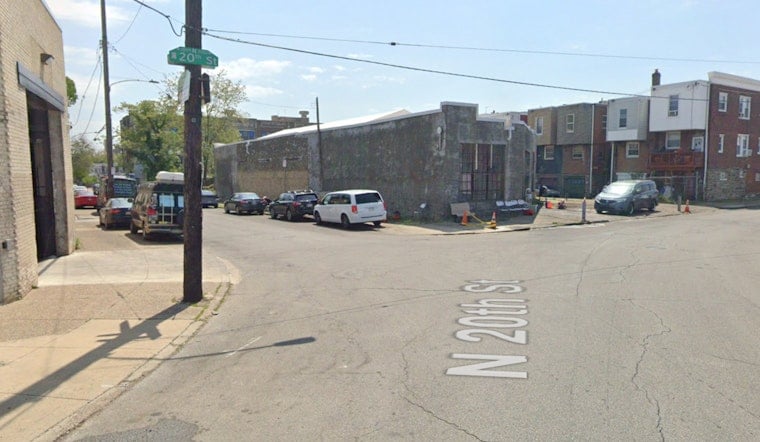
Speeding drivers in West Oak Lane are getting a not-so-subtle wake-up call, as city crews start installing big reflective "Slow Down" signs on neighborhood blocks that have been denied speed humps.
The first of the new markers popped up on North 20th Street after a run of traffic crashes pushed neighbors and local leaders to demand action. Officials say the plan is to use the signs on residential stretches that do not qualify for speed humps under the city's existing rules, giving residents at least some extra protection on streets where people walk and bike every day.
Councilmember Dr. Anthony Phillips told FOX 29 Philadelphia the diamond-shaped, yellow-and-white signs are meant to snap drivers out of autopilot and get them to ease off the gas, especially on blocks where residents were told speed bumps were not an option. "People are just tired of feeling like they can’t walk safely," Phillips said.
Richard Chapman, who has lived on North 20th Street for more than 50 years, told the station that speeding has long been a problem on his block and that while the signs are not a perfect solution, "something is always better than nothing." Neighbors say the signs feel like a modest but welcome acknowledgment that their safety concerns are finally being heard.
According to the city, residents can request a speed-hump review by calling 3-1-1, using the mobile app, or submitting a request online. The Streets Department then runs a traffic study to decide whether a block meets the criteria for speed humps. If it does not, officials told FOX 29 Philadelphia that crews will instead install one of the new "Slow Down" signs as a backup measure. The goal is to place these signs on every block that is turned down for a speed hump, though the city has not released a detailed schedule for when each location will be addressed.
How the Signs Fit Into the City's Vision Zero Work
The new signs plug into Philadelphia's broader Vision Zero effort to eliminate traffic deaths by slowing cars and redesigning dangerous streets. That strategy leans heavily on neighborhood slow zones and other traffic-calming tactics meant to cut speeds and injuries.
Vision Zero Philadelphia explains that slow zones group residential streets into clusters, drop posted speeds to around 20 miles per hour, and layer in physical changes and signage to discourage fast driving. The city's City of Philadelphia neighborhood slow-zone pages show that the program relies on engineering studies, community input, and targeted fixes designed to match each area’s specific crash patterns and concerns.
PennDOT Grants and Other Tools Behind the Scenes
Behind those yellow signs is a funding puzzle that includes state grants and money from automated traffic enforcement. The city has been using those dollars to pay for signs and quick, low-cost interventions in places where big construction projects are not yet in the cards.
PhillyVoice reported this spring that PennDOT's red-light camera program awarded millions of dollars to Philadelphia for traffic-safety improvements, including slow-zone work and new signage. Planners say that kind of funding helps them roll out smaller fixes faster while they plan longer-term engineering projects that can take years to design and build.
What Neighbors Should Know
Residents who want their block reviewed for traffic-calming can file a service request with Philly311 by phone, through the app, or on the web portal. Philly311 sends those sign and speeding-study requests to the Streets Department for follow-up.
For background and updates on neighborhood projects, Vision Zero Philadelphia and the city's slow-zone pages post maps, meeting notices, and project timelines. Neighbors are encouraged to hang on to their 311 confirmation numbers so they can track progress, and to report crashes both to police and through 311 so engineers have current information when they evaluate whether a particular block needs more than just a nudge from a new "Slow Down" sign.



