

























































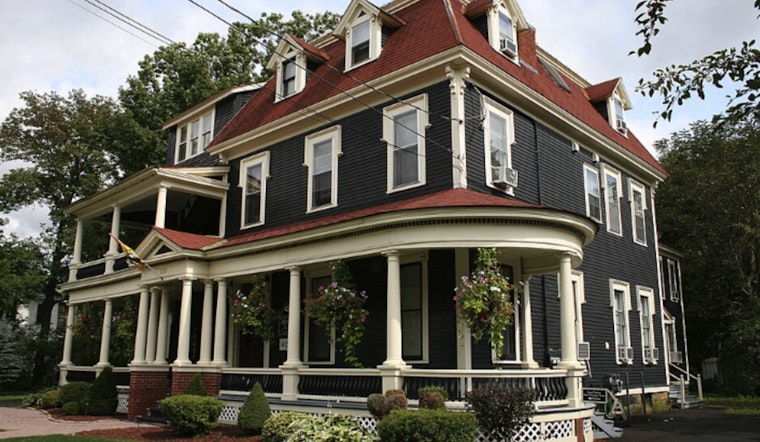
St. Louis is eyeing its old carriage houses and backyard cottages as a fast, low-impact way to tuck more housing into existing neighborhoods. City officials say the small outbuildings, once used to stall horses and park carriages, could be turned into compact rental units that slide neatly into the city’s historic streetscapes.
As the city wrestles with housing affordability and long-term population loss, leaders are pitching historic carriage houses as one piece of the solution, according to KMOV. The station notes that many of these structures went up during St. Louis’ wealthier eras and tend to cluster in older neighborhoods where larger lots can easily accommodate a second dwelling.
What Changed: Zoning Now Accommodates ADUs
Last year the city updated its zoning code to make accessory dwelling units, or ADUs, easier to build. The ordinance amends the Zoning Code to define, permit and regulate both attached and detached ADUs, and to spell out site requirements for those units. The changes, listed on the city’s Board Bills page, are designed to reduce red tape and clarify how carriage house conversions can move forward in residential districts; see the summary on the City of St. Louis website.
Why Officials Are Pitching Carriage Houses
Mayor Cara Spencer signed the zoning update last September at a Benton Park home that already includes an accessory dwelling, using the setting as a backdrop for what she framed as practical, not magic-wand, reform. "Allowing accessory dwelling units won't turn around decades of population decline, of course, but it is reform like this that makes it easier, faster and less expensive to build a variety of housing," Spencer said, as reported by St. Louis Public Radio. The bill was introduced by Alderwoman Shameem Clark-Hubbard after discussions with AARP, officials told the station.
What The Research Says
Evidence from other cities suggests ADU-friendly rules can trigger a noticeable jump in building permits and add to the housing stock, especially when paired with supportive programs. The Terner Center at UC Berkeley has found that easing restrictions increases ADU production, but that financing options, fee relief and hands-on technical assistance are often necessary to make those units genuinely affordable and widely accessible; see the broader context in the Terner Center analysis.
On the ground, city staff expect the new ADU rules to cut down on time-consuming variance requests, freeing up planners for other work. Homeowners, though, still have to tackle construction costs, code upgrades and neighborhood design constraints before a backyard building can become a legal rental. St. Louis Public Radio reported that in some wards, and particularly after the May 16 EF3 tornado, residents have used accessory structures as temporary housing, a stopgap that highlights both the demand for more units and the difficulty of turning old carriage houses into safe, code-compliant homes. Local builders and preservation advocates say careful design will be crucial to keep conversions relatively affordable and compatible with surrounding blocks.
For homeowners wondering if the carriage house or garage in their yard could qualify as an ADU, the segment from KMOV offers on-the-ground examples, and the City of St. Louis Board Bills page lays out the official ordinance summaries and links to the full text. City leaders stress that the new rules are just one piece of a broader push to add more homes and keep St. Louis affordable for residents who want to stay put.





.JPG)