

























































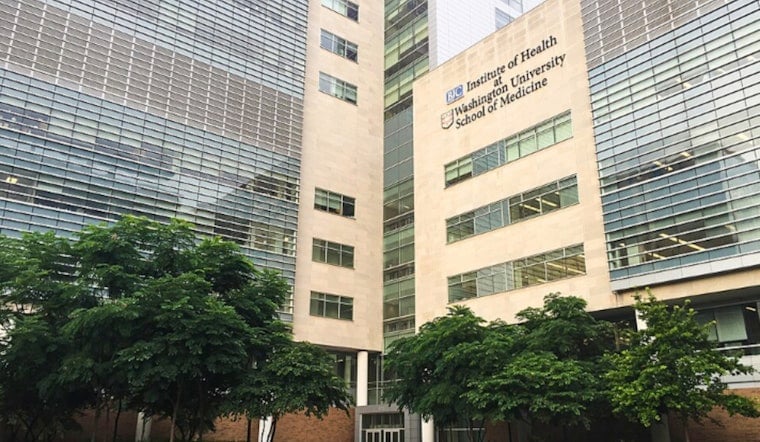
The neighborhood a child grows up in is leaving fingerprints on their brain, according to new work from Washington University in St. Louis, and those marks look a lot more like exhaustion and chronic stress than any built-in limit on intelligence.
The peer-reviewed study, published June 11 in Science, finds that a child’s living conditions, from family income and housing stability to neighborhood opportunity, show up in how their brain is wired and how it functions. Instead of pointing to raw brainpower, the brain patterns most closely tracked with signals of sleep problems and long-term stress.
The research team mapped 649 environmental, social and biological measures against brain structure and activity. Across that sprawling data set, neighborhood and household socioeconomic indicators such as income, homeownership and access to transportation explained a sizable share of the variation the scientists saw. The authors describe a single, repeatable brain pattern that most strongly reflects a child’s socioeconomic environment.
Researchers at Washington University School of Medicine led the analysis using nearly 12,000 MRI scans of children ages 9 to 10 from the NIH-funded Adolescent Brain Cognitive Development study, according to WashU Medicine. First author Scott Marek said he nicknamed the effect the “elephant in the brain” after seeing how powerfully socioeconomic factors overshadowed other variables. The team reports that those factors account for about 16% of the variability in measures of brain function, more than IQ, parenting style or medical history.
How the researchers mapped everyday life to brain wiring
Using brain-wide association studies (BWAS), the scientists linked MRI measures such as resting-state functional connectivity and cortical thickness to hundreds of real-world traits and exposures. According to the Science paper, 37 of the top 40 variables associated with brain function were socioeconomic, and the dominant brain pattern showed up most clearly in motor and sensory networks. When the team adjusted their models for socioeconomic opportunity, many previously reported links between brain features and IQ shrank substantially.
Sleep and stress as likely pathways
WashU researchers note that the brain regions most closely tied to socioeconomic status are also the ones most sensitive to sleep quality and chronic stress. That points to a likely pathway: daily burdens such as poor sleep and constant stress, not hardwired differences in intelligence. The team describes the overall pattern as looking more like a “tired and stressed brain” than a less capable one, and they argue that sleep and stress are changeable targets for policy and clinical interventions. WashU Medicine highlights that improving sleep and reducing stress could soften some of the brain differences seen in the scans.
What this means for St. Louis
Local advocates say the findings echo long-standing fears about neighborhood inequality in St. Louis, where housing conditions, pollution and access to services can swing dramatically from block to block. As reported by the St. Louis Post-Dispatch, broader WashU work on neighborhood hazards is feeding into debates over lead exposure, air quality and child health, and Hoodline’s recent coverage of WashU’s local environmental reports has documented how uneven those burdens are. The new brain results add a neurological layer to ongoing fights over housing, schools and health services in the city.
Limits and next steps
The authors and outside experts are careful to say this is correlational work. It shows consistent links between socioeconomic conditions and brain features at a single point in childhood, not proof that one directly causes the other. Regional reporting from KERA notes that the team is calling for long-term follow-up to see whether changes in sleep, stress or community resources can reduce these brain differences over time. The researchers stress that socioeconomic opportunity is not destiny and frame better sleep and lower stress as realistic starting points.
For St. Louis parents and policymakers, the study is a reminder that neighborhood cracks in opportunity can register in kids’ brains before they ever reach high school, and that at least some fixes are straightforward: safer streets, more stable housing and a real shot at a good night’s sleep. The Science paper and the WashU release lay out the levers that might help. The open question now is whether local leaders will decide to pull them.





