

























































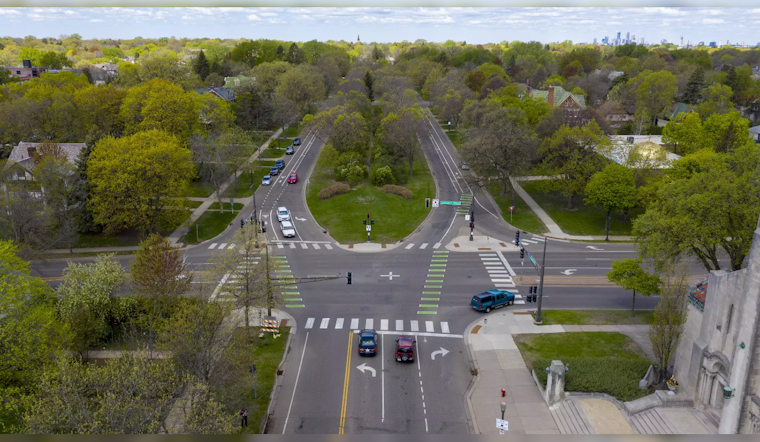
St. Paul’s long-running fight over boulevard trees finally landed back in front of the City Council on Wednesday, with a reworked tree preservation ordinance that has been more than a year in the making and run through nearly two dozen public meetings. The proposal aims to keep the city’s leafy canopy in place during major public construction projects, requiring trees to be built into project designs, protected during excavation and staging, and potentially making contractors pay up if they damage trees that were not supposed to be removed. The renewed debate comes after months of tense hearings and the bruising Summit Avenue battle that pulled neighborhood activists directly into City Hall’s rule-writing process.
As reported by the Star Tribune, the ordinance was first introduced in January 2025, then repeatedly tabled after emotional testimony in 2025. In response, Council President Rebecca Noecker pulled together a public input group that met 19 times to rework the proposal. “The people who were our loudest critics were the first people we invited to be part of this process,” Noecker told the paper.
What’s in the draft
Listed on the council agenda as Ord. 25-4, the proposal would add Chapter 92 to Saint Paul’s administrative code and spell out detailed rules for preserving trees on city-sponsored construction projects, according to materials posted with the council agenda. The Legistar entry and related city documents show that the draft requires trees to be incorporated into construction plans, shielded during on-site work, and monitored so that any damage is reported. The city’s boulevard tree permit further notes that anyone responsible for harming public trees can be required to cover the costs of corrective pruning or full replacement, according to Saint Paul Forestry.
Community pressure reshaped the language
The political heat around the planned reconstruction of Summit Avenue and a new regional trail pushed the issue far beyond standard infrastructure chatter and into a citywide argument about preservation. Neighborhood groups such as Save Summit Avenue made the boulevard’s rows of mature trees the centerpiece of their campaign, pressing elected officials to toughen protections. Local reporting traced the often tense back and forth between residents and city staff as the ordinance language shifted, while outside observers noted how the Summit fight raised the stakes for tree policy across St. Paul. Some residents, including Bridget Ales, told the Star Tribune they feared phrases such as “where feasible” might give builders too much wiggle room and weaken the safeguards that advocates were seeking.
What comes next
The ordinance appeared on the City Council’s June 24 agenda as Ord. 25-4, although the Legistar page shows that meeting minutes are still in draft form and that any final approval could involve additional steps. Those same records indicate the council did take up the item on Wednesday. Supporters argue that clearer procedures should cut down on surprises when streets are torn up and rebuilt. Skeptics counter that the real test will come when the city unveils detailed Summit Avenue design plans and residents see how aggressively the rules are enforced on the ground. Noecker’s office has said she worked with the public input group and met with district councils across the city as part of the outreach behind the latest rewrite, according to the City of Saint Paul.





