

























































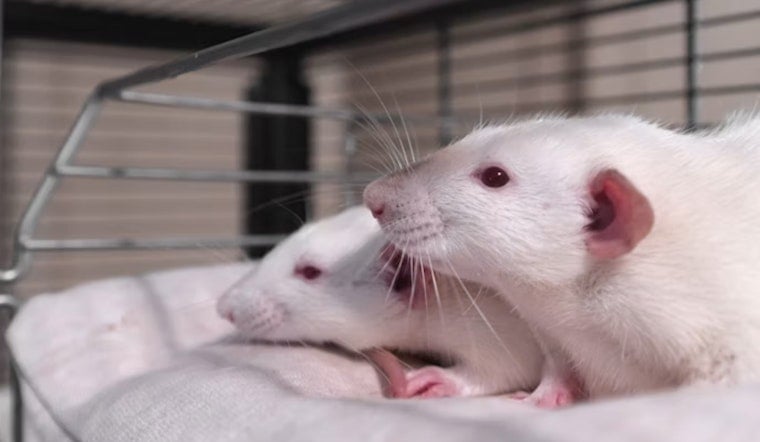
Stanford scientists say they have found a way to coax aging joints in mice into growing fresh, working cartilage, hinting at a future where worn-out knees might be repaired instead of replaced. By blocking a single enzyme called 15‑PGDH, researchers were able to regenerate articular cartilage in older mice, creating thicker, hyaline cartilage and improving joint function.
In treated animals, the repaired joints were less likely to slide into osteoarthritis after ACL-type injuries, and the mice leaned more confidently on the injured limb instead of favoring the good one. Human knee cartilage samples taken during replacement surgeries and exposed to the same drug in the lab also showed early signs of repair. The team stresses, however, that all of this remains preclinical. Safety and actual benefit in people have not yet been proven, and any potential therapy is still a long way from the clinic.
The work is detailed in the journal NCBI, where the researchers report that both systemic and intra-articular delivery of a small-molecule 15‑PGDH inhibitor (PGDHi) spurred cartilage regeneration in aged mouse models and eased osteoarthritis-linked pain. Single-cell RNA sequencing and multiplexed imaging shown in the paper indicate that the repair came from shifts in gene expression within existing chondrocytes, not from recruiting new stem cells. The regenerated tissue closely matched native hyaline cartilage, and the study’s abstract and figures document thicker cartilage layers and cell-population changes that favor tissue repair over breakdown.
How the treatment works
According to Stanford’s news office, 15‑PGDH normally acts as a cleanup crew for prostaglandin E2 (PGE2), breaking it down and keeping levels in check. When the enzyme is blocked, PGE2 builds up locally and appears to reprogram chondrocytes into a more youthful, matrix-producing mode that supports cartilage growth.
As reported by Stanford Medicine, joints treated with the 15‑PGDH inhibitor showed stronger activation of cartilage-forming gene programs and a drop in cell types linked to cartilage degradation. In other words, the cellular environment in the joint shifted away from wear-and-tear and toward rebuilding.
Human tissue and clinical trials
Human cartilage samples taken from patients undergoing knee replacement surgeries showed a similar laboratory response after one week of exposure to the drug. According to ScienceDaily, the treated tissue had fewer 15‑PGDH-expressing chondrocytes and lower expression of genes associated with cartilage breakdown.
Separately, an oral 15‑PGDH inhibitor known as MF‑300 has already gone through first-in-human dosing and additional Phase 1 work. The developer reports plans for larger trials focused on age-related muscle weakness, and company press releases summarize that clinical program. Those human studies are not designed to test cartilage regeneration, but they sketch out a regulatory and safety path that could eventually support trials in joint disease.
Researchers and clinicians caution that mouse and ex vivo tissue successes often stumble in human trials, so any timeline to an approved osteoarthritis therapy remains uncertain. Stanford investigators note that earlier Phase 1 work with a 15‑PGDH inhibitor in healthy volunteers showed target engagement and tolerability, but they emphasize that dedicated cartilage-focused trials will be required to demonstrate real-world benefit in patients and to rule out unexpected harms. If those future studies succeed, the strategy could pivot osteoarthritis care away from pain relief and joint replacements and toward actual regeneration.
The Science article’s conflict-of-interest statement also flags patent filings and licensing agreements involving companies developing 15‑PGDH inhibitors, a key piece of context for anyone weighing the results. The study has already attracted broad media attention, including last Friday's story in EURweb, and the next rounds of research will be watched closely by orthopedists, patients with aching joints, and biotech investors alike.





