

























































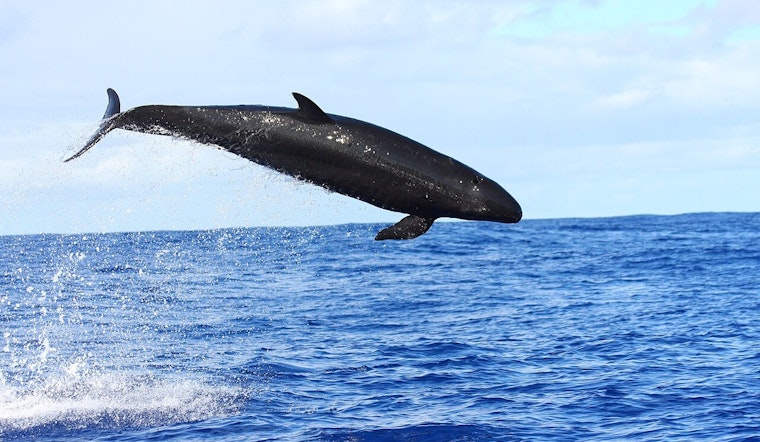
A false killer whale known to researchers as PWF#0109 dropped roughly 500 pounds, more than a quarter of its body mass, in about 10 weeks. That is not a crash diet, it is a red flag. The dramatic weight loss is one of the most extreme examples in a new multi‑year study of Hawaiʻi’s endangered Main Hawaiian Islands false killer whales, where scientists tracked individual animals with drone photogrammetry and found rapid swings in body condition. Researchers warn that kind of nutritional stress can drag down reproduction and push this already tiny population closer to extinction if prey shortages stick around.
The team measured body condition using high‑resolution overhead drone images taken between 2019 and 2025, then calculated size and mass for at least 68 animals, roughly half the Main Hawaiian Islands group, according to University of Hawaiʻi at Mānoa’s SOEST. To turn those photos into estimated weight, researchers compared the body shapes in the wild images with three‑dimensional imagery from false killer whales in captivity and followed individual animals through time. The work appears in the journal Endangered Species Research.
A single whale’s decline
One of the standouts in the data set is PWF#0109, which lost about 500 pounds in roughly 10 weeks and was later seen in poor condition. As reported by Honolulu Civil Beat, Pacific Whale Foundation chief scientist Jens Currie called that steep drop, more than a quarter of the whale’s body mass, a stark illustration of what the population is up against. Biologists point out that such extreme losses can translate into fewer calves and slower recovery, since females do not begin giving birth until around age 10 and only produce new calves every several years.
Population numbers and the long odds
A 2025 peer‑reviewed abundance analysis estimated that the Main Hawaiian Islands population held about 139 animals in 2022 and found the group has been shrinking at roughly 3.5% per year since 2013, when it was listed as endangered, according to Endangered Species Research. With numbers that small and trending downward, every major weight swing or serious injury becomes a population‑level concern. Researchers say the new health baseline gives managers a clearer way to see where and when conservation action is most urgent.
Heat, prey and the 2020 crash
Scientists link the worst year for weight loss and the largest single‑year population drop to record marine heat and a productivity crash around 2020, which likely cut back the supply of high‑energy prey. Warmer seas can weaken nutrient upwelling and shrink local stocks of mahimahi, ono and tunas that false killer whales depend on, as outlined by EurekAlert!. By building a multi‑year record of body condition, the authors say, managers gain an early‑warning system to spot nutritional stress before it shows up as dead or missing animals.
Fishing pressure and injuries
False killer whales chase many of the same large pelagic fishes that Hawaiʻi’s fishers target, and photographs show frequent mouthline and dorsal‑fin injuries that match up with hooking and depredation encounters. A 2024 paper in Endangered Species Research documented ongoing, repeated interactions with fisheries, adding yet another strain that can pile onto prey shortages to harm individual animals. According to the researchers, the mix of prey loss and depredation behavior cranks up both nutritional stress and the risk of serious injury or death.
What managers could do
Scientists are urging state and federal fisheries managers to line up data on the whales’ energetic needs with records of fish abundance and catch, so protections can be carefully targeted rather than broad, blanket closures. The Main Hawaiian Islands insular false killer whale is already listed as endangered, and NOAA uses measures such as the False Killer Whale Take Reduction Plan to try to limit incidental harm, NOAA Fisheries reports. Lead author Jens Currie has stressed that “the goal isn’t to shut down the fisheries” but to get better data and work with fishers on practical measures that let both communities carry on, as reported by Honolulu Civil Beat.
The research teams, which include Pacific Whale Foundation and the University of Hawaiʻi’s Marine Mammal Research Program, say continued drone monitoring and closer collaboration with fishers will be key to seeing whether new management steps actually help the whales recover. The Marine Mammal Research Program notes that the new paper will guide an intensive 2026 field season aimed at expanding the body‑condition time series and testing mitigation strategies. For now, the study offers the clearest population‑level signal yet that Hawaiʻi’s insular false killer whales are struggling for food, and that swift, evidence‑based action will be needed if that trend is going to be turned around.





.jpg)