

























































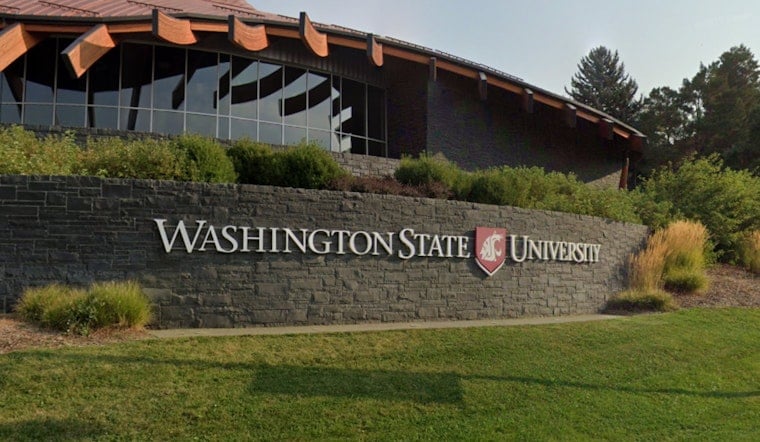
Washington’s big experiment in reviving local journalism is already stirring up the very newsrooms it is supposed to help.
The Murrow News Fellowship at Washington State University, now teaming up with Report for America, is designed to place state-backed reporters in newsrooms across Washington. The plan promises new bodies on the ground but also comes with pay scales and content rules that some editors say could squeeze already fragile outlets. Microsoft and other donors are pitching in as organizers scramble to lock down funding and newsroom placements for the first cohort, which is scheduled to start in 2027.
Washington State University’s Murrow College and Report for America have launched a five-year, $10 million effort that aims to put at least one reporter in each of the state’s 39 counties by 2029, with an initial group of up to 13 journalists expected in 2027, according to Washington State University. The announcement says the project will blend state seed funding with private philanthropy to rebuild local coverage and that Murrow’s current fellows, 16 journalists already reporting around Washington, will help shape how the expansion unfolds. Organizers also highlighted targeted corporate support, noting that Microsoft has pledged to help fund reporters in North Central Washington as part of the broader fundraising push, per WSU’s statement.
The fine print, though, is where the friction begins. Program documents and briefings outline a cost-share model that would require host outlets to pay a growing share of each fellow’s salary, roughly 50% in the first year, 66% in the second and 80% in the third, and say some pay targets would be determined by a living-wage calculator instead of local market rates, as reported by The Seattle Times. The Times also reports that participating outlets would have to make fellows’ stories freely available to other news organizations, a requirement critics argue could undercut subscription revenue and advertising value. Those conditions have led several small publishers to question whether the model can really work for weekly papers and lean nonprofits.
Why publishers are alarmed
WSU’s own analysis of the state’s news ecosystem helps explain the anxiety. Many Washington outlets operate on annual budgets below $250,000, leaving little room to absorb multi-year salary obligations, according to the Murrow report. “It would force me to pay a fellow $62,000,” Lynnwood Times publisher Mario Lotmore told The Seattle Times after a program briefing, capturing the sticker shock small operations say they are feeling. Supporters counter that the fellowship could restore routine coverage of county government, courts and schools, but editors say the nuts and bolts of who pays what, and when, are still far from clear.
How organizers frame the tradeoffs
Program leaders and Report for America emphasize that editorial independence will remain in the hands of local outlets, and that neither WSU nor donors will be calling the shots on coverage, a central pledge in their public materials. Report for America says the structure is meant to combine public seed money, philanthropic support and local investment so that, over time, fellows move into permanent staff roles rather than living as indefinitely subsidized positions. If the fundraising holds, organizers argue, communities that have gone years without consistent civic reporting could get full-time watchdogs back on the beat.
The unresolved questions are how much struggling outlets can realistically contribute and whether they can do it without weakening the local control and financial stability that keep them alive in the first place. Program leaders say they expect to finalize application criteria and host agreements in the coming months, with recruitment to follow once funding and placement rules are set, according to local coverage of the rollout. For now, the fight over the fellowship is shining a bright light on a broader statewide dilemma: how to rebuild civic news without breaking the small newsrooms that are still holding the line.





