

























































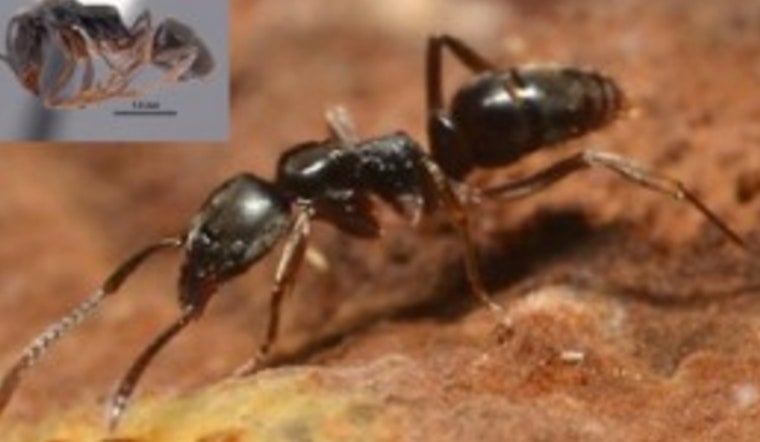
The tiny Asian needle ant has quietly turned up in yards across North Carolina, and its sting is not just sharply painful, for some people it can be life threatening. Experts say the ants are now documented in most of the state's counties and are tough to spot because they nest in mulch, leaf litter and rotting wood. With summer gardening and mulch season in full swing, entomologists and extension agents are urging residents to learn how to identify the species and protect anyone with severe insect allergies.
As reported by The Charlotte Observer, NC State Extension associate Christopher Hayes said the ants have likely been in North Carolina for decades and warned, "I think we have hit this point of no return" in terms of their spread. Hayes described a sting as a lingering "fiberglass" feeling that for some people can last a day or two. The Observer's report is the latest in a run of regional coverage urging residents to take simple precautions around mulch and yard debris.
How to Identify Asian Needle Ants
NC State Extension notes that Asian needle workers are about one fifth of an inch long, with long, slender bodies that range from shiny dark brown to nearly black and show rusty orange legs. They do not form obvious mounds or march in long pheromone trails. Instead, workers often forage alone or in loose groups, which can make them easy to miss in mulch, under logs or in leaf litter. That low profile helps infestations spread across yards and forest edges before homeowners realize anything is going on.
Why the Sting Matters
These ants generally sting only when they are trapped or pressed against skin, but their venom can trigger systemic allergic reactions. The U.S. Forest Service's science update documents the species' invasive behavior and cites research in the ant's native range showing about 2.1% of people stung experienced systemic allergic reactions, including anaphylaxis. The original South Korean study reported similar figures. That comparative risk is one reason public health and extension officials are sounding the alarm this season.
Reduce Your Risk Around Yards
The NC State Extension recommends eliminating potential nesting sites by keeping yards free of leaf litter, stones, logs and woodpiles, sealing cracks around foundations and windows, reducing moisture near structures and cleaning up food spills that can attract ants. Local reporting has also warned homeowners to inspect bags of mulch before spreading and to avoid piling fresh mulch directly against patios and play areas. If you spot workers or larvae, take close photos and contact your county extension office for identification and next steps.
What To Do If You’re Stung
Mild stings usually cause localized pain and swelling, but signs such as trouble breathing, throat tightness, dizziness, fainting or widespread hives require immediate emergency care. The American Academy of Allergy, Asthma & Immunology advises using epinephrine and calling 911 for suspected anaphylaxis, then getting checked in a hospital because symptoms can recur. People with known insect venom allergy should talk with their doctor about carrying an auto injector and having an allergy action plan.
If you suspect you have found Asian needle ants, preserve a specimen or take clear, scale included photos and send them to your county extension or NC State’s Plant Disease & Insect Clinic for confirmation. Professional pest controllers can reduce foraging activity, but experts warn that colonies with multiple nests and queens can make eradication difficult and that long term management often focuses on habitat changes. For broader background, see Invasive Asian Needle Ants on Hoodline.





