

























































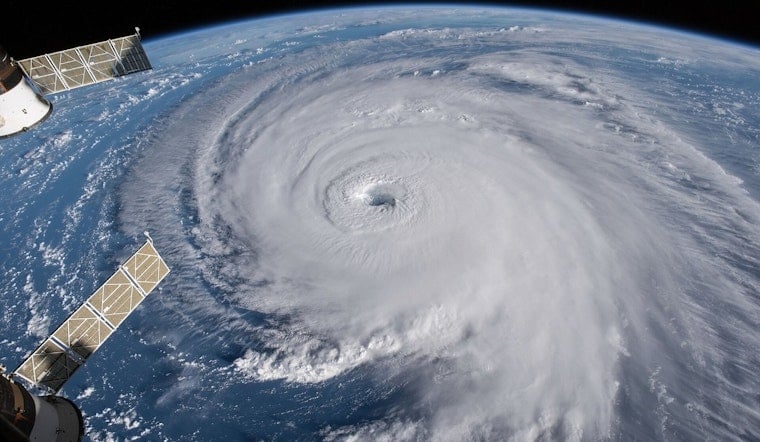
As the 2026 Atlantic hurricane season kicks off, nearly half of households across southeast Louisiana are stretched so thin that basic storm prep could be enough to trigger a financial emergency. New regional data show many families lack the savings to evacuate, cover a missed paycheck, or handle surprise repair bills. That reality is pushing local nonprofits and government partners to ramp up preparedness work before the next cone of uncertainty pops up on screens.
ALICE Report: Nearly Half of Area Households Come Up Short
The latest ALICE update finds that 49% of households in Southeast Louisiana, or 262,504 households in 2024, earned less than what it costs to cover housing, child care, food, transportation, health care, technology and taxes, according to a report by United Way of Southeast Louisiana. The research spans Jefferson, Orleans, Plaquemines, St. Bernard, St. Tammany, Tangipahoa and Washington parishes and shows that 17% of households were below the federal poverty level in 2024. United Way leaders say the numbers reflect a long-running gap between rising costs and wages that has yet to close for many families.
Resiliency Center Rallies Help Before Peak Storm Threat
On Saturday, the United Way Resiliency Center hosted a community resource fair and disaster-preparedness workshop aimed at giving families a head start on stocking supplies, finding assistance and mapping out evacuation plans before storms line up in the Gulf. More than 15 community partners offered services including free health screenings, food distribution and financial navigators, as reported by FOX 8. Organizers urged residents to check their kits, spot the gaps and line up help now instead of scrambling once a storm is in the forecast.
Paychecks Versus the Price of the Basics
The report estimates that basic survival for a Southeast Louisiana family of four cost $87,636 in 2024, nearly three times the federal poverty level of $31,200. Even common job pairings in the region fall well short of that mark. United Way’s example shows that two full-time jobs typical in the area, a cook and a personal care aide, would still leave a family nearly $45,000 under what it takes to cover those basic costs. According to the data, that kind of gap can force impossible trade-offs and leaves households with no cushion when a storm wipes out work hours or damages a home.
Federal Outlook: Quieter Season, Same Old Risk
Federal forecasters expect a below-average Atlantic season but are quick to remind residents that it only takes one system to turn everything upside down. NOAA’s Climate Prediction Center is calling for 8 to 14 named storms, 3 to 6 hurricanes and 1 to 3 major hurricanes for 2026 and notes that seasonal forecasts do not predict where storms will make landfall. "It only takes one hurricane (or tropical storm) to cause a disaster," NOAA stresses, so preparation remains key even when the outlook sounds relatively calm.
Local Leaders Warn One Storm Could Tip Families Over the Edge
"These are individuals that work hard. They are living paycheck to paycheck," Michelle Clark Payne, United Way’s chief strategy and resiliency officer, told local reporters, noting that even minor storm impacts can be enough to push families into crisis. United Way President and CEO Michael Williamson added that household instability undercuts the ability to evacuate, weather missed paychecks, make repairs or bounce back after storms. Their comments during the resource fair highlight why outreach and early planning are front and center this season.
How to Get Help and What to Tackle First
Residents can find locally focused services, VITA tax help and workshop schedules through the Resiliency Center and partner organizations, which also provide referrals for housing and mental-health support. Federal preparedness checklists and sheltering guidance are available from FEMA, and residents who need immediate assistance can call 2-1-1 to connect with local programs and shelter information. For households watching every dollar, planners suggest starting with a basic emergency kit, a clear evacuation plan and a written list of critical contacts so fewer decisions have to be made in the chaos of a storm.





_(cropped).jpg)