

























































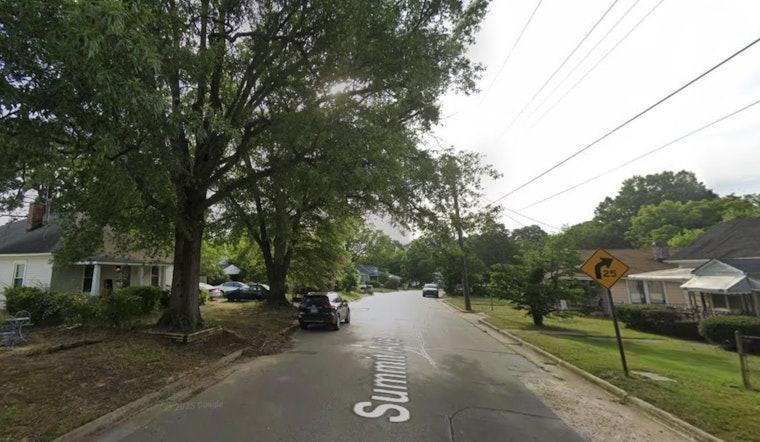
A normally quiet stretch of Summit Avenue turned into a crime scene Tuesday morning after a Raleigh neighbor fired a shot to stop what police describe as an ax attack in the street.
According to investigators, the neighbor stepped in after hearing a fight and seeing one man strike another with an ax. The confrontation ended with two people taken to nearby hospitals and a flurry of legal questions about when deadly force is allowed in North Carolina. Police say the neighbor who pulled the trigger cooperated with officers and has a valid license to own a firearm.
When Is Deadly Force Legally Justified In North Carolina?
Under North Carolina law, a person may use deadly force, without any duty to retreat, when they reasonably believe it is necessary to prevent imminent death or great bodily harm to themselves or someone else. That standard is set out in N.C. Gen. Stat. § 14-51.3, which can also provide immunity from civil or criminal liability if its conditions are met.
That does not mean every shooting is automatically excused. Prosecutors and courts still review the facts to decide whether a particular use of deadly force was proportionate and justified under the circumstances.
What Police Say Happened On Summit Avenue
Raleigh police told ABC11 that two men who lived in a nearby encampment got into an argument that spilled out onto Summit Avenue. Investigators say that is where one man began attacking the other with an ax.
A nearby resident heard the fight, went outside and shot the man wielding the ax, according to police. The man who was shot collapsed and was taken to a hospital. The person whom police say was beaten with the ax suffered multiple facial injuries and was also transported for treatment.
What Happens Next
Police say the person who fired the shot has been cooperative with investigators and holds a valid firearms license. The case remains an active investigation.
Any decision on criminal charges will fall to prosecutors, who will have to weigh whether the use of deadly force was reasonable under the circumstances. Courts have stressed that North Carolina’s self-defense statute does not erase the need to examine proportionality, as recent rulings such as State v. Phillips explain.





