

























































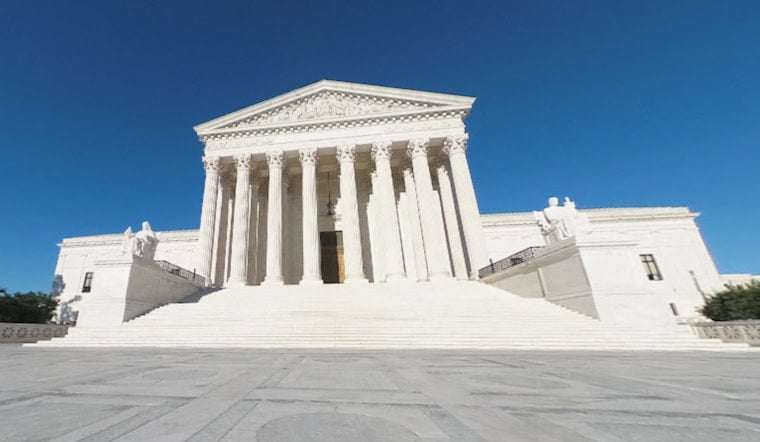
The Supreme Court on Thursday cleared the way for the Trump administration to end Temporary Protected Status for nationals of Haiti and Syria, ruling 6–3 in a decision that immediately puts hundreds of thousands of people at risk of deportation. The ruling lifts lower-court orders that had kept the terminations on ice and arrived alongside a separate directive backing the government’s power to slow asylum processing at already overwhelmed border crossings. The court’s three liberal justices dissented, warning that the human fallout could be severe.
What The Ruling Actually Did
Justice Samuel Alito authored the majority opinion, which the court said limits judges’ ability to second-guess the Homeland Security secretary’s calls on TPS and opens the door for 2025 terminations to move forward. The policy shift hits roughly 350,000 Haitians and about 6,100 Syrians, according to Reuters. Advocates did not sugarcoat their reaction: “This is a deeply painful day for hundreds of thousands of families,” Krish O'Mara Vignarajah said in response to the ruling, per that reporting.
How The Court Framed Its Decision
The majority leaned heavily on statutory language that many courts have read as sharply limiting judicial review of TPS terminations, and it signaled doubt about the plaintiffs’ equal-protection argument in the Haiti case. SCOTUSblog notes that not every conservative justice signed on to every part of the opinion, which means some of the legal reasoning lands a bit narrower than it might look at first glance.
Immediate Fallout For Lives And Work Permits
Temporary Protected Status provides work authorization and protection from removal, but it does not create a path to citizenship. Once TPS is terminated, those work permits vanish and many people are suddenly exposed to deportation proceedings. The program currently covers about 1.3 million people from 17 countries, and congressional efforts to extend protections for Haitians have so far stalled in the Senate, according to the Associated Press.
What Comes Next In Courtrooms And In Washington
With the Supreme Court stripping away the lower-court holds, the terminations can move ahead even as the underlying lawsuits continue in district courts. There, plaintiffs will keep pressing their statutory and constitutional claims and building out the factual record. In a separate move the same day, the high court sided with the administration on an asylum “metering” dispute, reviving an enforcement tool that limits how many people can be processed at crowded ports of entry, according to Reuters.
Local Response And On-The-Ground Organizing
From South Florida to New York, community leaders and lawmakers in areas with large Haitian and Syrian populations say they are gearing up for a two-front fight: pushing legal and legislative responses while scrambling to expand local services for residents who could lose status. Hoodline has been following the local pressure campaigns and rallies this spring, including coverage of how South Florida Dems’ high-stakes TPS lifeline push has tried to sway both Congress and the courts.
Legal Stakes Going Forward
Legally, the cases turn on whether the TPS statute effectively shields terminations from judicial review and on how far constitutional challenges can still go. The majority treated the statute’s limits on review as largely decisive, while leaving some room for constitutional claims under a very demanding standard. As SCOTUSblog notes, the justices sent the disputes back to the lower courts to dig into the factual record and to decide whether any of those constitutional arguments can clear the high bar the court just set.
For now, TPS holders and their families are left in limbo, unsure about their future work authorization and ability to remain in the country. Legal teams and immigrant-rights groups say they will keep pushing in both the courts and Congress while affected communities brace for what the coming weeks and months will bring.



