

























































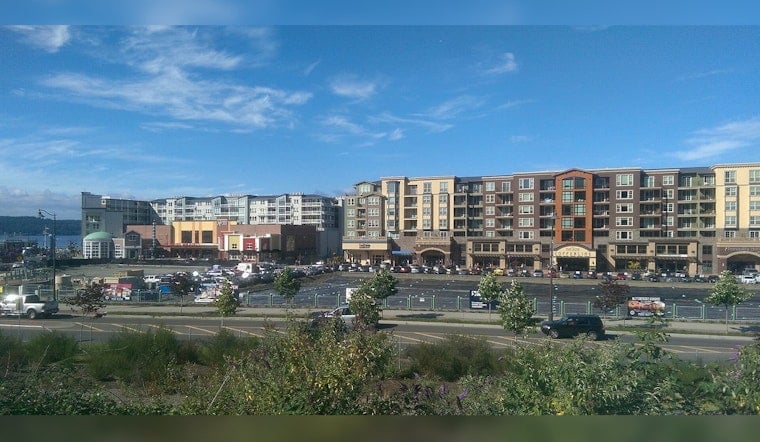
What was pitched as a path to waterfront living and U.S. residency has turned into a courtroom slog for dozens of foreign investors in Tacoma.
A group of EB-5 investors says they lost roughly $39 million and saw green card approvals stall after putting money into a loan tied to Point Ruston’s Phase II. The investors filed a federal complaint in Tacoma this week, alleging the development’s financial collapse left them with big losses and immigration uncertainty. Their suit names multiple Point Ruston entities and seeks repayment, damages and an accounting. Plaintiffs say the project’s legal fights and transfers of property undermined the investment that was tied to their U.S. visa timelines.
According to a complaint reviewed by KING 5, 78 investors, many from China, invested $500,000 apiece into AURC III, LLC, contributing about $39 million. That fund in turn loaned the money to Point Ruston Phase II. The complaint names Point Ruston LLC, Point Ruston Phase II LLC, Loren Cohen, the estate of Michael Cohen and several affiliated companies as defendants. It asks the federal court for damages, repayment, an accounting and a jury trial, and says immigration approvals for some investors were delayed or left uncertain by the project’s collapse.
What the financing looked like
The Phase II plan was billed as a roughly $169.1 million waterfront buildout that would include apartments, a multiplex movie theater, retail space, a hotel and more than 1,400 structured parking spaces, with EB-5 capital meant to supply a major portion of the financing. The EB-5 arm of the deal traces back to a $66 million loan arranged in 2013 to help capitalize the Waterwalk/Point Ruston phase two, a history detailed in court records and state appellate filings. That loan, the arbitration that followed and later courtroom rulings have been central to years of litigation tied to the site.
Judgments and foreclosure moved the site into creditor hands
Pierce County courts entered a judgment in favor of AURC III totaling roughly $91.7 million to collect on the loan and accumulated interest, penalties and fees, and a foreclosure decree ordered parcels tied to that debt to be sold to satisfy the judgment. Reporting and court documents trace the judgment and outline a foreclosure process that encompassed the Waterfront Market and the public parking garage above it. Local coverage says the decree set up a sheriff’s sale and opened the door for lenders to press collection across multiple Point Ruston parcels.
Public legal notices show the Pierce County Sheriff scheduled a sale of the affected parcels for July 19, 2024, and filings indicate the lender sought to use a credit bid tied to its secured loan at that sale. Public notices in the Tacoma Daily Index list the parcels slated for sale, and later reporting noted AURC III moved to take legal ownership of the market and garage as the foreclosure process unfolded. Even after the lender’s credit bid, filings suggest the sale did not erase the full deficiency left by the earlier judgment.
A receiver’s report cited in the investors’ complaint lists about $153.3 million in liabilities and estimates a net liquidation value of roughly $16.7 million for the portfolio of affected entities, the complaint says. The suit also alleges changes tied to the parking garage reduced the value of the property backing the EB-5 loan by about $50.2 million, deepening the shortfall to investors. According to the complaint, some of the 78 plaintiffs ultimately received final immigration approvals while many others remain delayed or in limbo because the project faltered.
The fallout has ripple effects for small businesses and residents who rely on the market and garage for daily activity at the waterfront village. AURC’s counsel has said the lender is weighing options, including finishing components of the project or bringing in a development partner, while other creditors, a receiver and condo and owners’ groups sort competing claims and priorities. Local reporting and court filings show the legal disputes over ownership, liens and receivership will drive how, and whether, the site moves forward.
Why the case matters beyond Tacoma
The Point Ruston fight underscores a recurring risk in EB-5 funded projects: when a development runs into trouble, investor immigration outcomes tied to that project can become uncertain. Litigation over EB-5 projects and program rules has already altered timelines and legal protections for immigrant investors in other cases, and analysts say pending lawsuits can ripple into visa adjudication and redeployment options. As industry coverage has noted, court decisions this year have the potential to reshape how visa sequencing and investor protections are handled nationwide.
The federal complaint is now on file in U.S. District Court in Tacoma. It asks the court for repayment, damages, an accounting and a jury trial and remains at an early procedural stage. The plaintiffs’ filing and the court docket will determine whether investors can claw back funds and how lingering questions about the site’s value, creditor priority and the immigration consequences are resolved. We reached out to parties named in the filings for comment; statements that have been made to local reporters are reflected in the court and media records cited above.





